Mini Monstera Care Guide
About Mini Monstera Plant
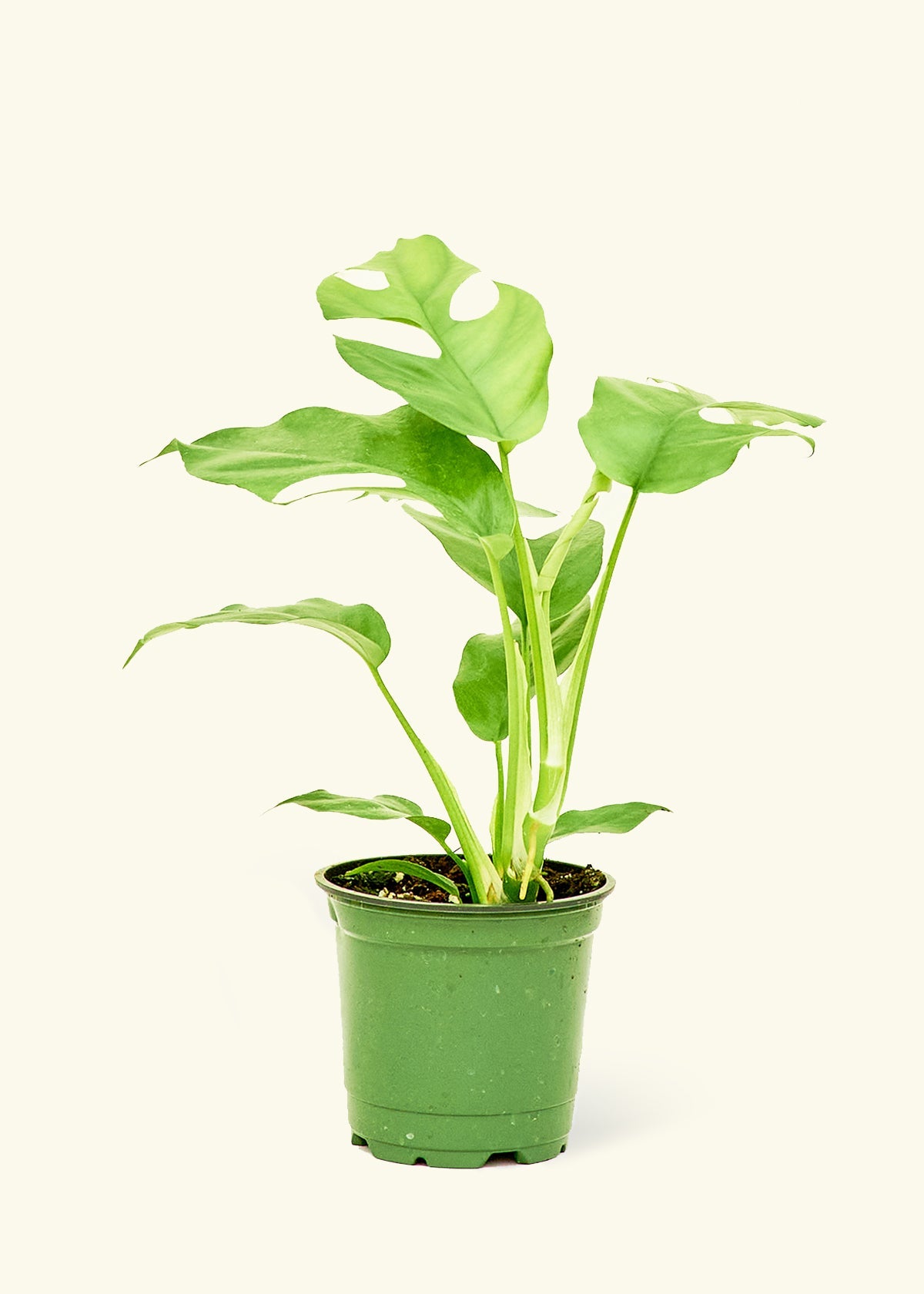
The Mini Monstera Plant (Rhaphidophora tetrasperma), also known as Dwarf Monstera, Monstera Ginny, or Philodendron Ginny, is a vibrant tropical plant that features glossy, fenestrated leaves that resemble those of the popular Monstera deliciosa. It originates from the rainforests of Malaysia and Southern Thailand. The Mini Monstera plant prefers a warm and humid environment, thriving naturally outdoors in hardiness zones 9-12.
The Monstera Ginny is relatively low-maintenance once established and cared for. It adds an exotic feel and style to any living space with its lush, large leaves. Beware that Rhaphidophora tetrasperma is toxic to pets, so keep it out of reach of your cats and dogs. This gorgeous, vivid-green houseplant is associated symbolically with prosperity, personal growth, and abundance.
Dragon Tail Plant: Benefits
Rhaphidophora Tetrasperma Care: Growing Tips
Caring for a Rhaphidophora tetrasperma is not that hard, even for novice indoor gardeners. As long as you meet its needs and don’t neglect it, this exceptionally fast-growing, vining plant will give you joy for years.
Mini Monstera: Light Requirements & Temperature
- Light: Provide this beauty with medium to bright, indirect light; protect your Mini Monstera from the hot afternoon sun.
- Temperature: It grows best in stable indoor settings with temperatures ranging from 65°F to 85°F.
Philodendron Ginny: Watering & Humidity
- Watering: Water your Philodendron Ginny about once a week or every 10 days in the cooler months. Allow the topsoil to dry before repeated watering.
- Humidity: A perfect plant for bathrooms, the Mini Monstera plant thrives in higher humidity (50-70%).
Dwarf Monstera: Soil, Fertilizer, and Repotting
- Soil: The Mini Monstera plant thrives in well-draining soil with added perlite or coco chips; this growing medium protects it against root rot.
- Fertilizer: Feed the plant in the active growing months with a balanced liquid fertilizer.
- Repotting: Repotting is best done in the spring; use a slightly larger pot and transplant your Mini Monstera once every 1-2 years.
Mini Monstera: Propagation
Propagate your Rhaphidophora tetrasperma plant from a stem cutting, ensuring it has an aerial root. For less experienced indoor gardeners, we recommend water propagation. Place the stem cutting in a jar of water and change the water weekly until it roots. Then plant in fresh, well-draining soil. You can also propagate your Mini Monstera by rooting it directly in soil or moss.
Mini Monstera Plant: Problems and Pruning
Don’t overwater this beautiful houseplant to avoid root issues and fungal infections. Prevent sunburn by protecting your Mini Monstera from direct sunlight. Trim damaged leaves promptly to encourage new growth and maintain the plant’s shape. Treat it with organic insecticide if you notice pests, such as scale insects, thrips, and spider mites.
Mini Monstera: Companion Plants & Placement Options
Display your Philodendron Ginny in a corner of your living room where it can be trained to climb a coco coir pole or trellis with its aerial roots. Or group with other tropicals for the ultimate jungle feel.
Great to Place on
You can train your Monstera Minima to grow supported with a moss pole, or maintain it bushy and compact if planted in a hanging basket. This stunning plant can decorate an elevated shelf and naturally cascade with its trailing vines.
Grows Well With
Pair your Mini Monstera Rhaphidophora tetrasperma with other exotic humidity-loving plants, such as:
- Rabbit Foot Fern: The Rabbit Foot Fern’s delicate fronds contrast beautifully with the bold foliage of your Dwarf Monstera.
- Chinese Money Plant: Pair your Mini Monstera with a Chinese Money Plant for a cute, green arrangement and extra good fortune in your home.
- Dragon Tail Plant: The Dragon Tail Plant (another Rhaphidophora variety) is an ideal companion plant, requiring similar light and humidity conditions.
Buy Mini Monstera for Sale From Hey Rooted Now!




 Care level: No sweat
 Light: Medium
 Not pet friendly
 Water: Once a week


