Burgundy Rubber Plant Care Guide
About Ficus Burgundy
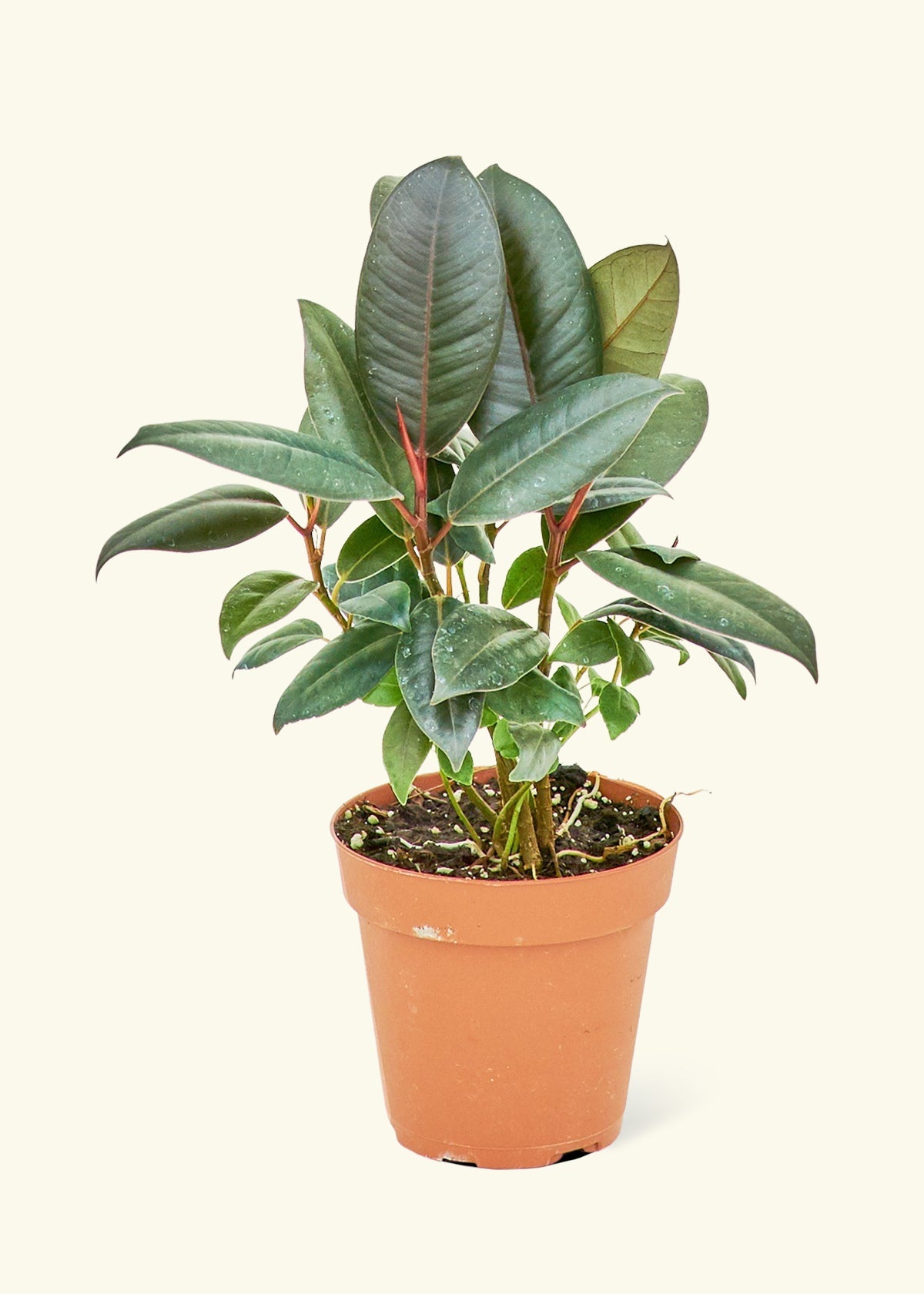
The Burgundy Rubber Plant (Ficus elastica Burgundy) is a gorgeous indoor tree with bold, dramatic leaves in deep burgundy and dark green. This tropical beauty originates from Southeast Asia and thrives in hardiness zones 10-12. It loves high humidity, warm temperatures, and bright, indirect light.
This large indoor tree is relatively low-maintenance, adding colorful greenery and beauty to any indoor or outdoor space. It can reach 8 feet indoors, so it needs space. Keep it away from pets; it can be harmful if ingested. The Ficus elastica (Rubber tree) holds a symbolic meaning of happiness, abundance, and prosperity, making it a thoughtful gift.
Other gorgeous Ficus varieties include the red-tinged Ruby Rubber Tree (Ficus elastica 'Ruby') and the finicky Fiddle Leaf Fig (Ficus lyrata).
Ficus Elastica: Benefits
Ficus Burgundy Care: Growing Tips
The dramatic Burgundy Rubber Plant is quite easy to care for once you understand its growth needs.
Burgundy Rubber Plant: Light Requirements & Temperature
- Light: The Ficus Burgundy Rubber plant thrives in bright but indirect light. It can adapt to lower light conditions for short periods. Morning full sun deepens its burgundy color.
- Temperature: Temperatures between 65°F and 85°F are ideal for your rubber tree plant. Anything below 55°F can harm it.
Burgundy Ficus: Watering & Humidity
- Watering: Water the plant when the topsoil feels dry. Deep watering but less frequently is the best method for your ficus tree.
- Humidity: Your Ficus elastica tree does well in relatively higher humidity (50-80%). Mist it occasionally during dry spells of weather.
Burgundy Rubber Tree: Soil, Fertilizer, and Repotting
- Soil: Use well-draining potting mix for your Burgundy Rubber Plant. Add perlite to improve drainage and prevent root rot issues.
- Fertilizer: Feed your Burgundy Ficus monthly with a balanced fertilizer during the active growing season.
- Repotting: Repot your rubber tree every 2-3 years in the spring into a slightly larger pot.
Burgundy Rubber Plant: Propagation
Ficus Burgundy is easy to propagate. Use healthy stem cuttings and place them in fresh water until they root (change the water weekly). Or plant them in well-draining soil (keep it moist). Provide the young rubber plants with bright, filtered light. You can also cover the pots with a transparent plastic sheet to maintain high humidity.
Burgundy Ficus: Problems and Pruning
Yellow leaves and root rot are some of the common problems you can encounter with your Burgundy Rubber tree. Overwatering is the main culprit behind this issue. Low humidity and strong direct light result in brown leaf tips. Monitor your Burgundy Rubber Plant for insect infestations and treat the issue promptly if needed. Trim your rubber tree regularly to encourage bushier growth.
Ficus Burgundy: Companion Plants & Placement Options
The striking, glossy leaves of the Burgundy Rubber plant contrast beautifully with any deep-green or multicolored, variegated foliage. Group it with other tropicals for the ultimate indoor jungle.
Great to Place on
Rubber plants make amazing floor plants, bringing natural greenery to any home or office. Whether as a focal point or part of a tropical plant arrangement, your Ficus Burgundy will stand out with its dark, dramatic foliage.
Burgundy Rubber Plant Grows Well With
Consider growing the following companion plants with your Ficus Burgundy:
- Ficus Tineke: Pair the stunning Ficus Tineke with a Burgundy Rubber Plant for an easy-to-manage and colorful ficus display.
- Snake Plant Zeylanica: The hardy nature of the Snake Plant Zeylanica and its easy-care needs make this vertically growing beauty a must-have.
- Dragon Tail Plant: The Dragon Tail Plant is a highly sought-after houseplant that is easy-going and a vibrant addition to any indoor garden.
Get Burgundy Rubber Plant From Hey Rooted Today!




 Care level: No sweat
 Light: No direct sun
 Not pet friendly
 Water: Once a week


