Pineapple Plant Care Guide
About Pineapple Plant
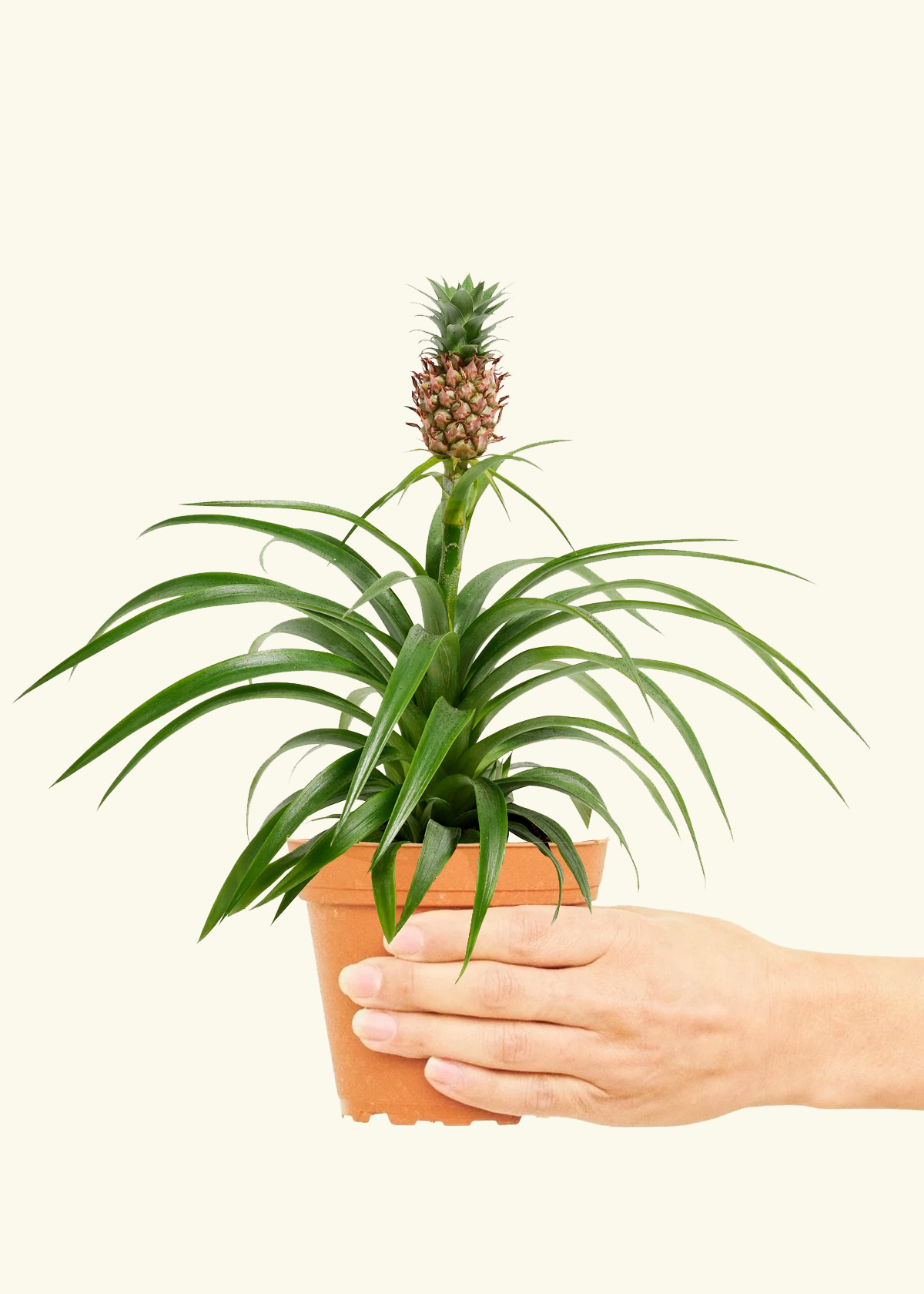
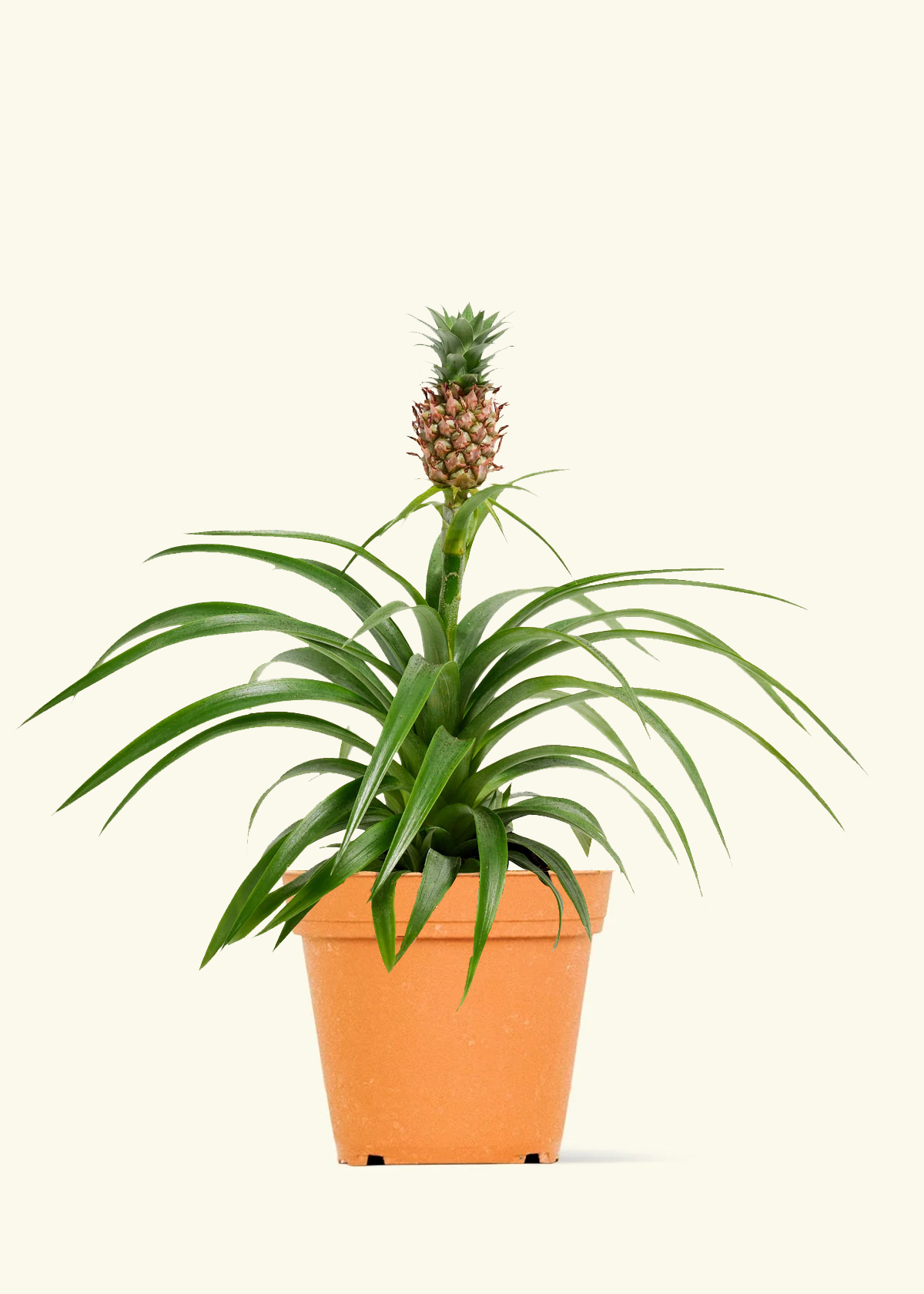
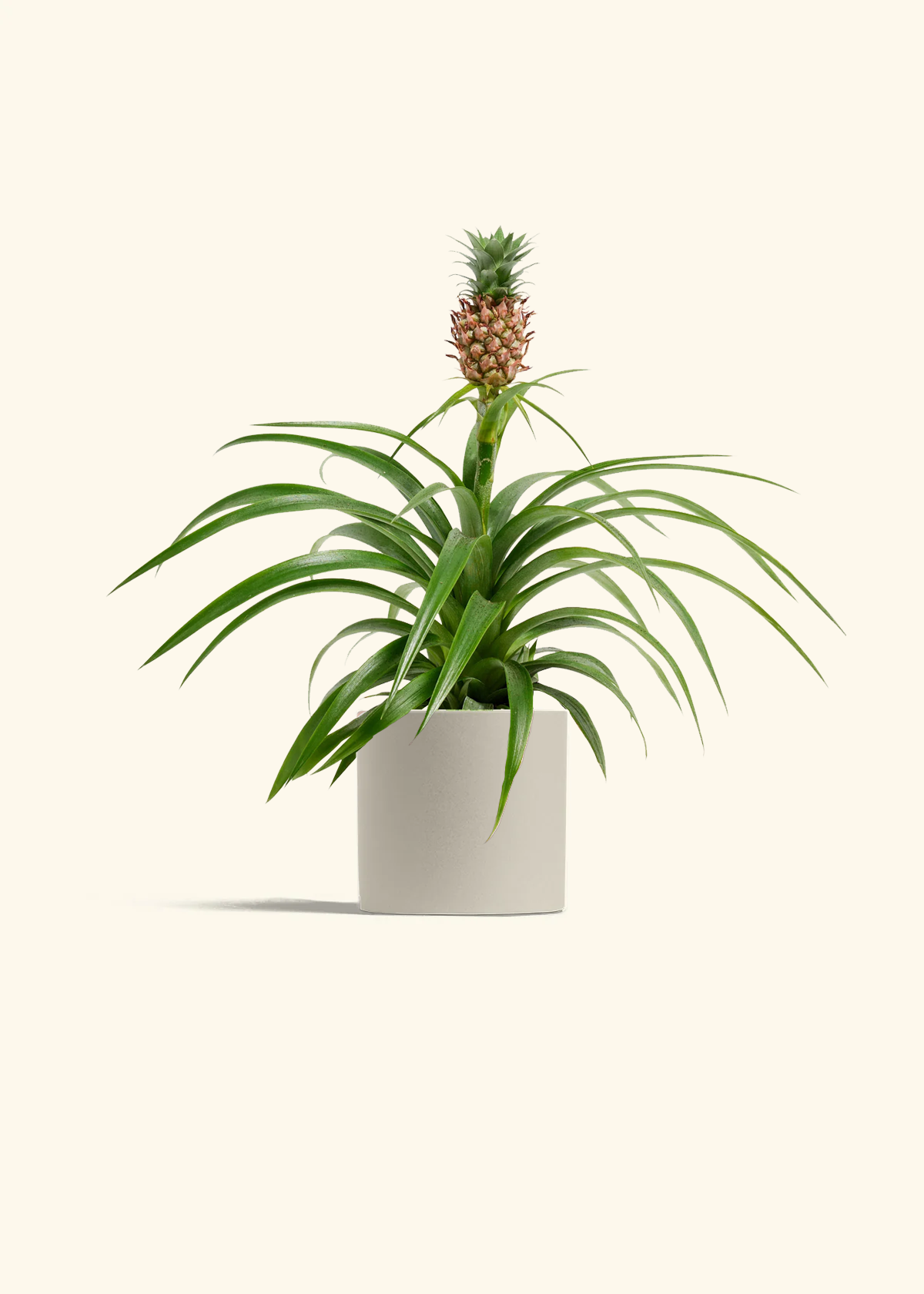
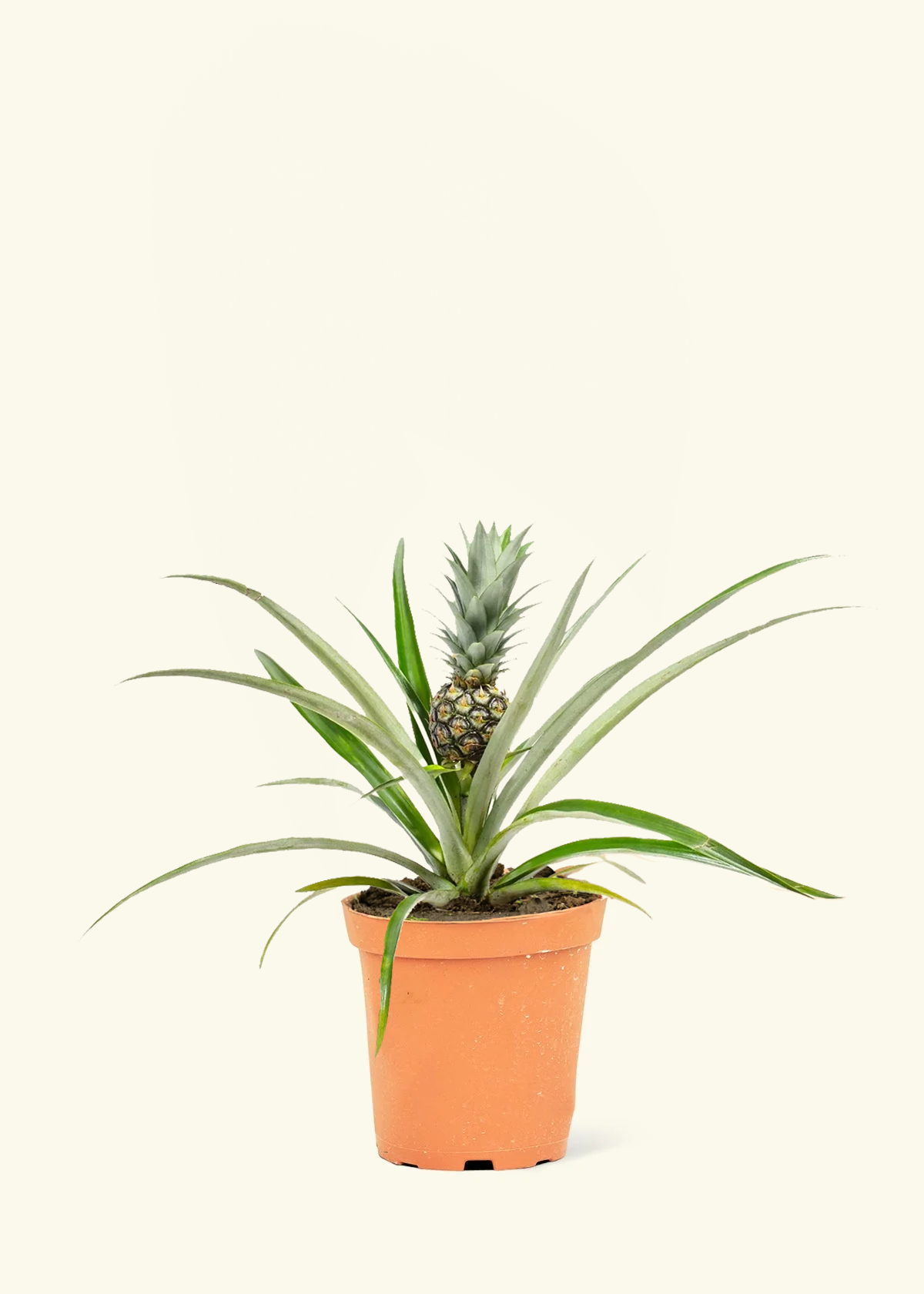
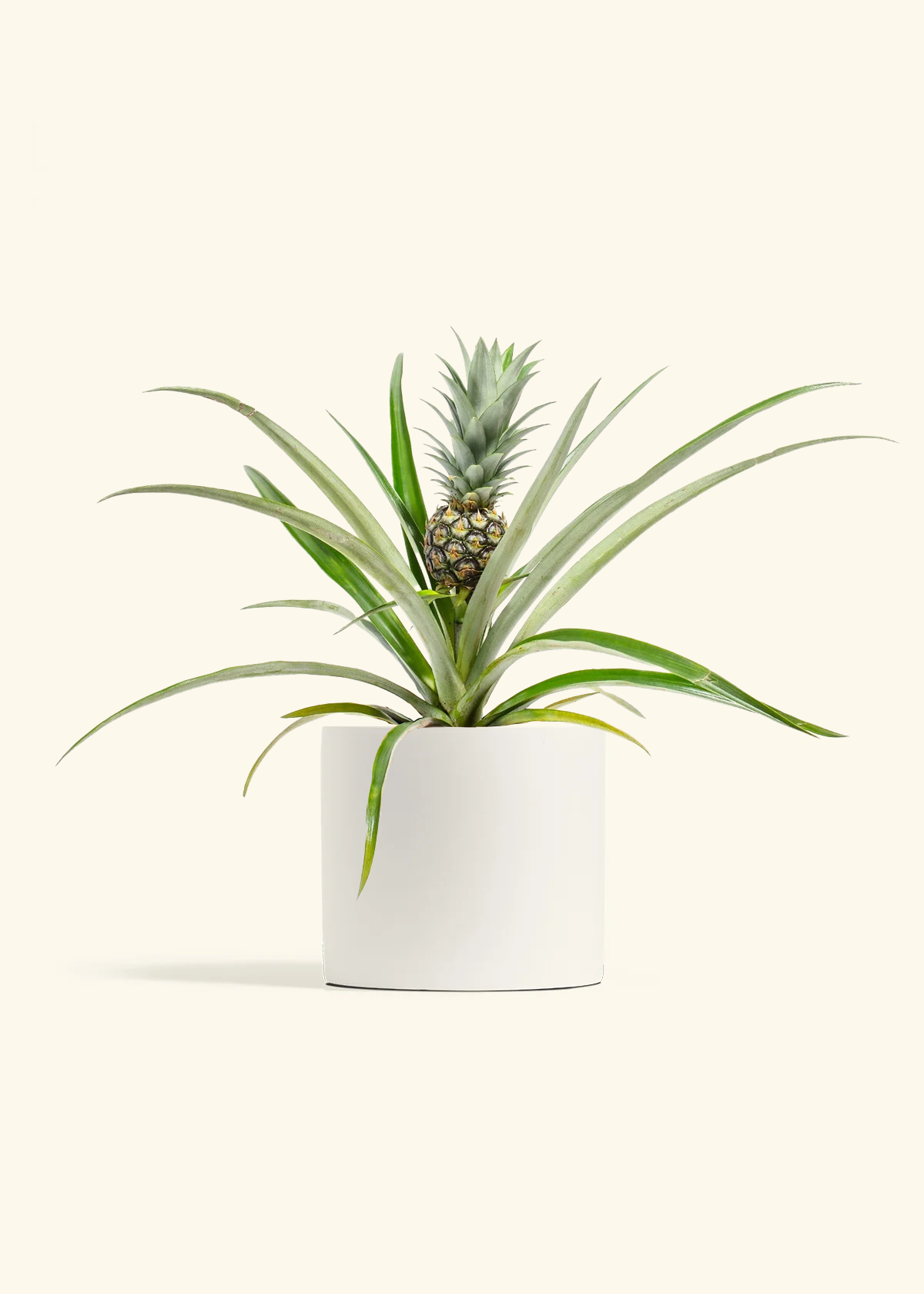
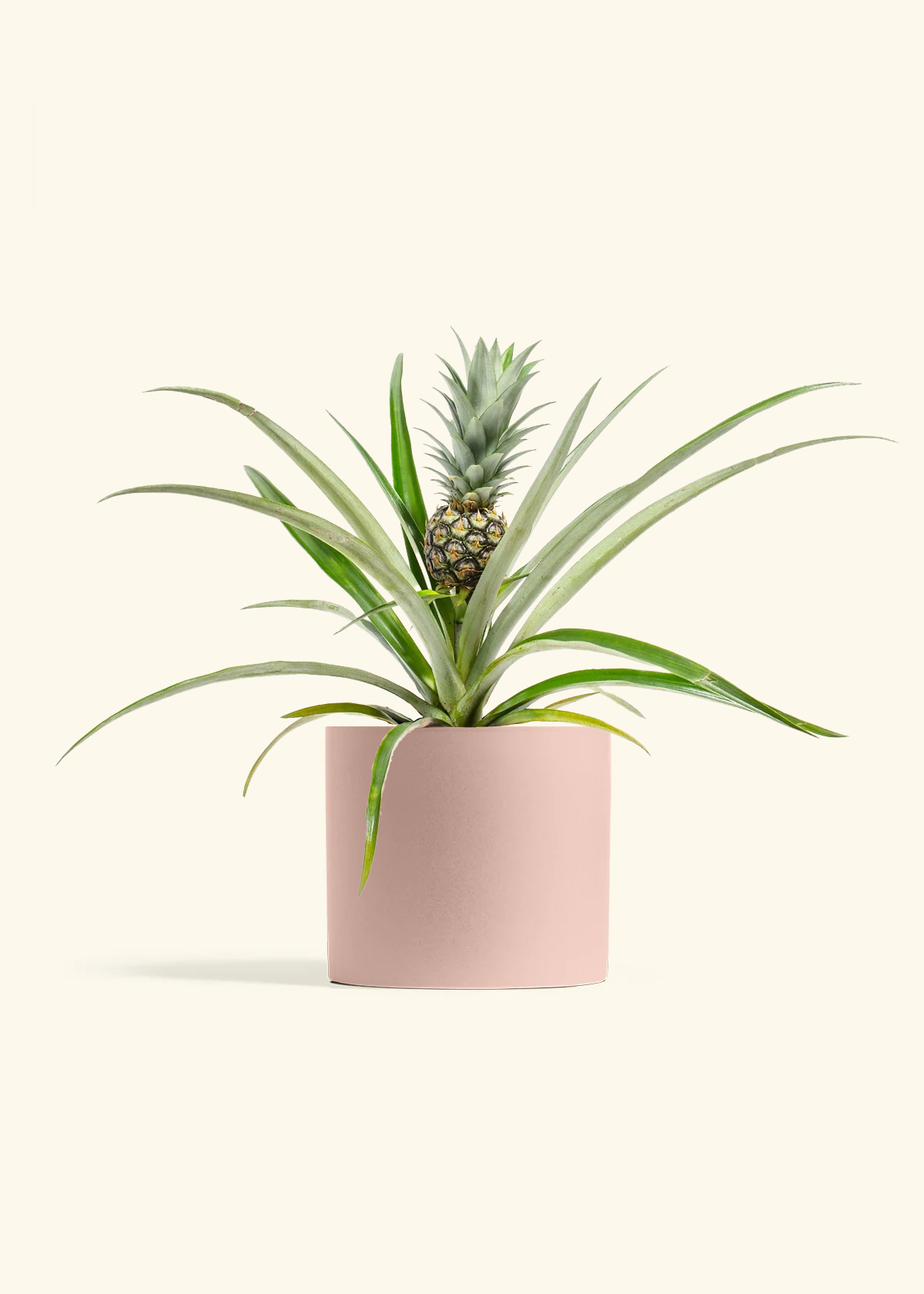
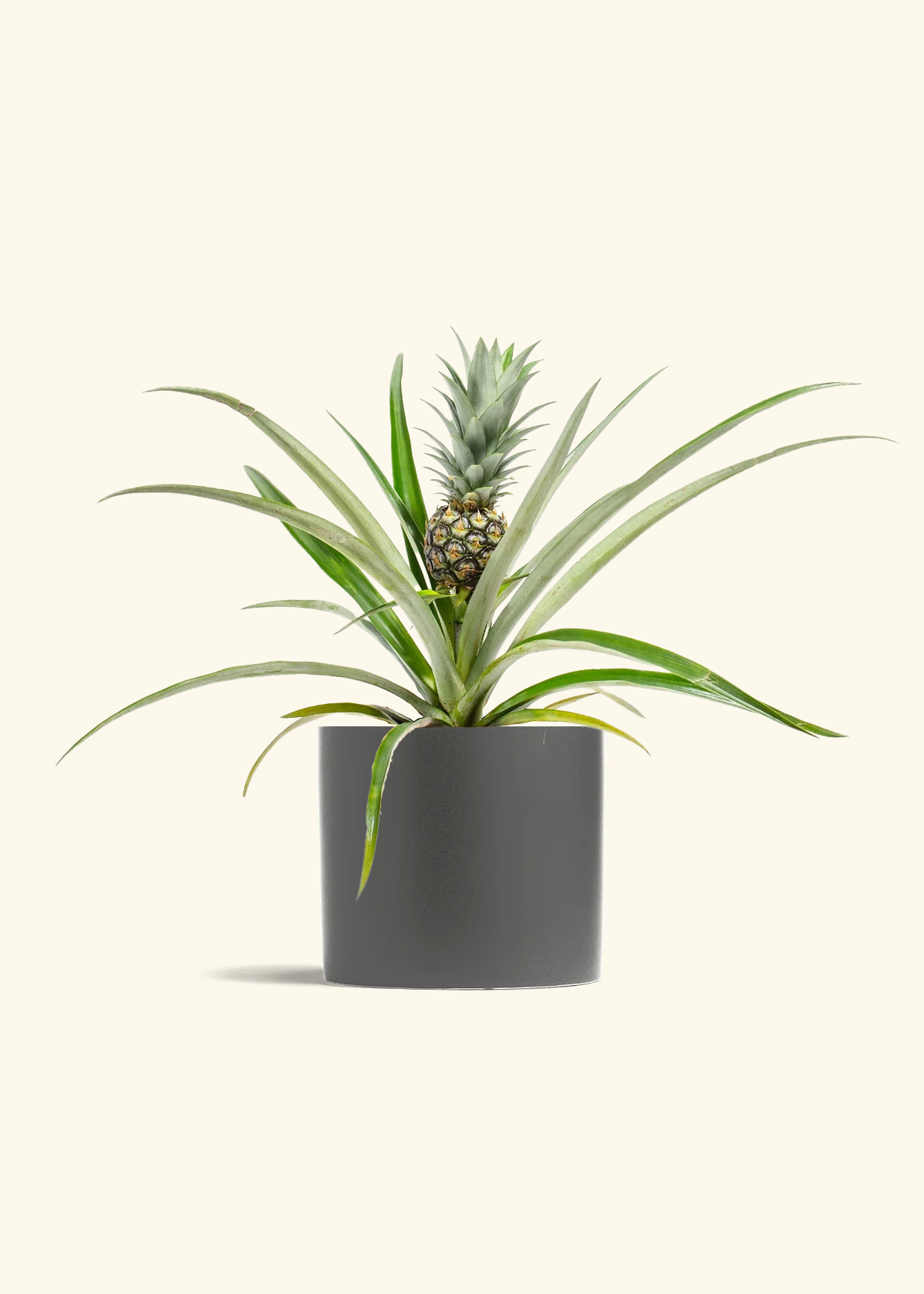
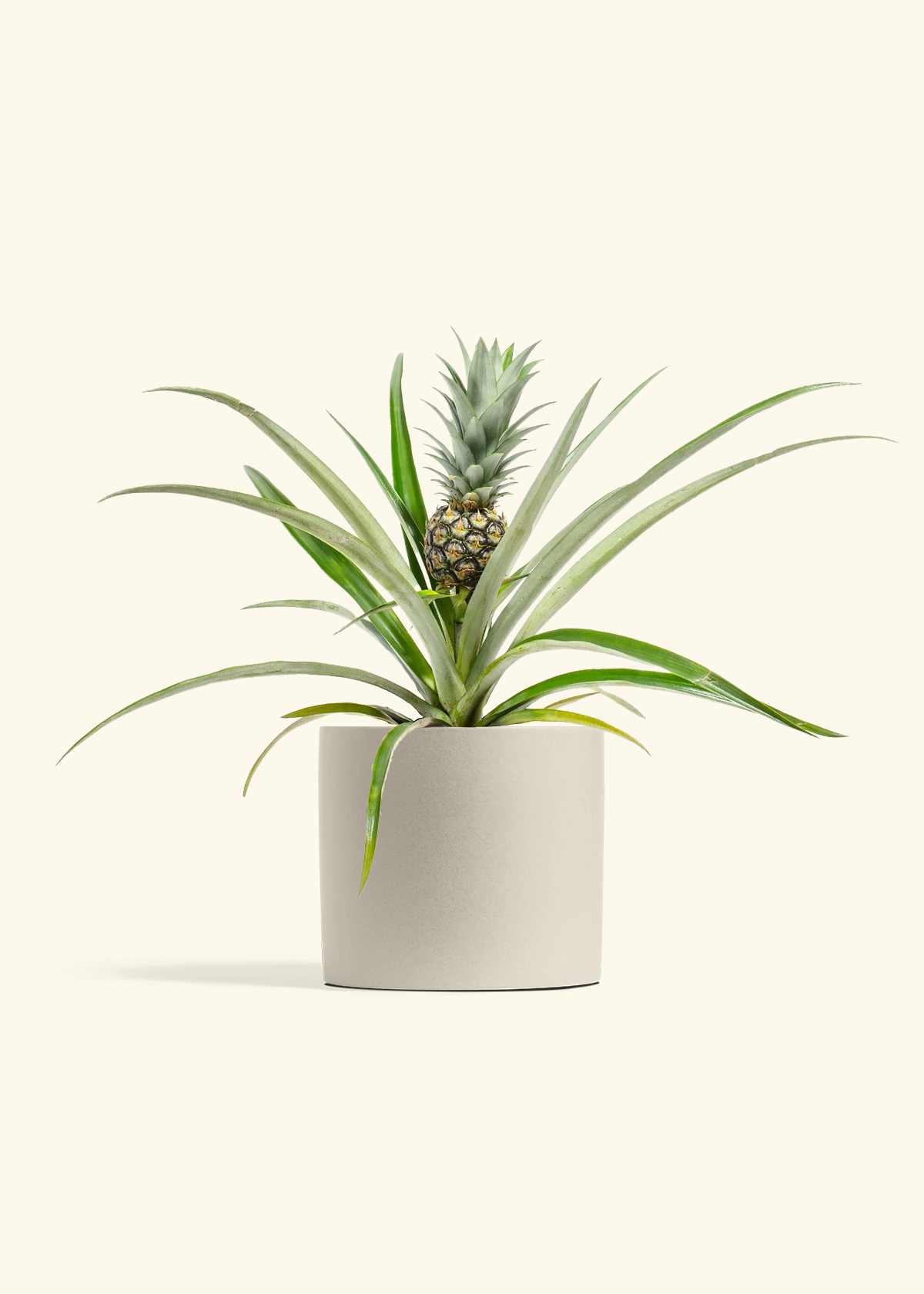
The Pineapple Plant (Ananas comosus) is a tropical bromeliad plant with bushy, sharp leaves. Ever wondered whether a pineapple grows on a tree or a bush? The pineapple fruit grows on the central stalk of the Bromeliad Pineapple plant, and you can easily grow one at home.
Pineapple plants are native to South America. Growing best in humid, warm environments that resemble their tropical habitat, they’re best suited to hardiness zones 10-11.
Pineapples are easy to grow indoors. While they’re non-toxic, their unripe fruit can cause irritation if ingested by pets or children.
Like other Bromeliads, the Pineapple symbolizes hospitality, warmth, and abundance.
Pineapple Plant Benefits
- Exotic masterpiece with a flamboyant jungle vibe
- Known for its air-purifying qualities
- Easy-care plant, suitable for beginners
- Produces edible fruit
- Symbolizes abundance and hospitality
Pineapple Plant Care: Growing Tips
The Bromeliad Pineapple is an easy-going plant. Here’s how to care for it indoors:
Pineapple Plant: Light Requirements & Temperature
- Light: Your Ananas plant needs plenty of bright, indirect light. A Pineapple plant in indoor settings should receive ca. 6-8 hours of direct sunlight daily.
- Temperature: Warm temperatures of 68°F to 85°F are best for your tropical Pineapple tree. If you’re growing it outdoors, bring this plant inside if temperatures drop to 45°F.
Pineapple Plant: Watering & Humidity
- Watering: Correct watering is one of the most important steps in Pineapple Bromeliad care. Water regularly and deeply. Let the top layer of the soil dry before watering, however, so that the soil doesn’t get soggy.
- Humidity: High humidity is important for your indoor Pineapple plant. Group it with other plants, mist regularly, or use a humidifier in dry spaces.
Pineapple Plant: Soil, Fertilizer, and Repotting
- Soil: Pineapples prefer rich, well-draining soil. Add perlite to improve drainage.
- Fertilizer: Feed with a balanced fertilizer regularly during the growing season. Stop fertilizing in winter.
- Repotting: Although a Pineapple resembles a palm tree, it’s actually a plant with a shallow root system that doesn’t need a very deep container. Wait for 6-12 months before repotting your new plant.
Pineapple Plant: Propagation
If you’re wondering how to grow another Pineapple plant from the one you’ve got, you can do so in two ways. Cut the top of the pineapple fruit with leaves attached, peeling away the lower leaves. After leaving the top to callus first, plant it in well-draining, moist soil. You can also propagate a fully mature plant from its pups, growing at the base of the plant.
Pineapple Plant: Problems and Pruning
Ananas plants may suffer from mealybugs in humid settings with bad air circulation. Yellowing leaves are a sign of overwatering, while colorless foliage indicates insufficient light.
Remove all wilted lower leaves, which are part of the Pineapple’s natural growing cycle. Keep the soil clean to prevent fungal issues.
Pineapple Plant: Companion Plants & Placement Options
With its spiky leaves and adorable, small fruit, the Pineapple Bromeliad plant makes a spectacular statement plant for any space.
Great to Place on
Place a Pineapple Plant as an eye-catching centerpiece in your living room or entryway. It’s an ideal plant for bedrooms, producing clean oxygen as you sleep. Also, an exotic Pineapple plant with fruit is a fun gift for family or friends.
Pineapple Bromeliad Grows Well With
Combine your Pineapple Ananas with tropical flowering plants to allow them to benefit from their shared microclimate:
- Guzmania Bromeliad: The gorgeous Guzmania Bromeliad (Guzmania lingulata) is undemanding and low-maintenance, and its bright central blooms can last for over 6 months.
- Red Anthurium: With flowers shaped like red hearts, the Red Anthurium (Anthurium andraeanum) is a colorful and inspiring indoor plant that thrives in high humidity and indirect light.
- Peace Lily: The Peace Lily (Spathiphyllum wallisii) is one of the most popular indoor flowering plants with magnificent white blooms and vibrant green foliage.
Shop for Pineapple Plant for Sale at Hey Rooted Now!


 Care level: Pretty chill
 Light: Low
 Not pet friendly
 Water: Once a week
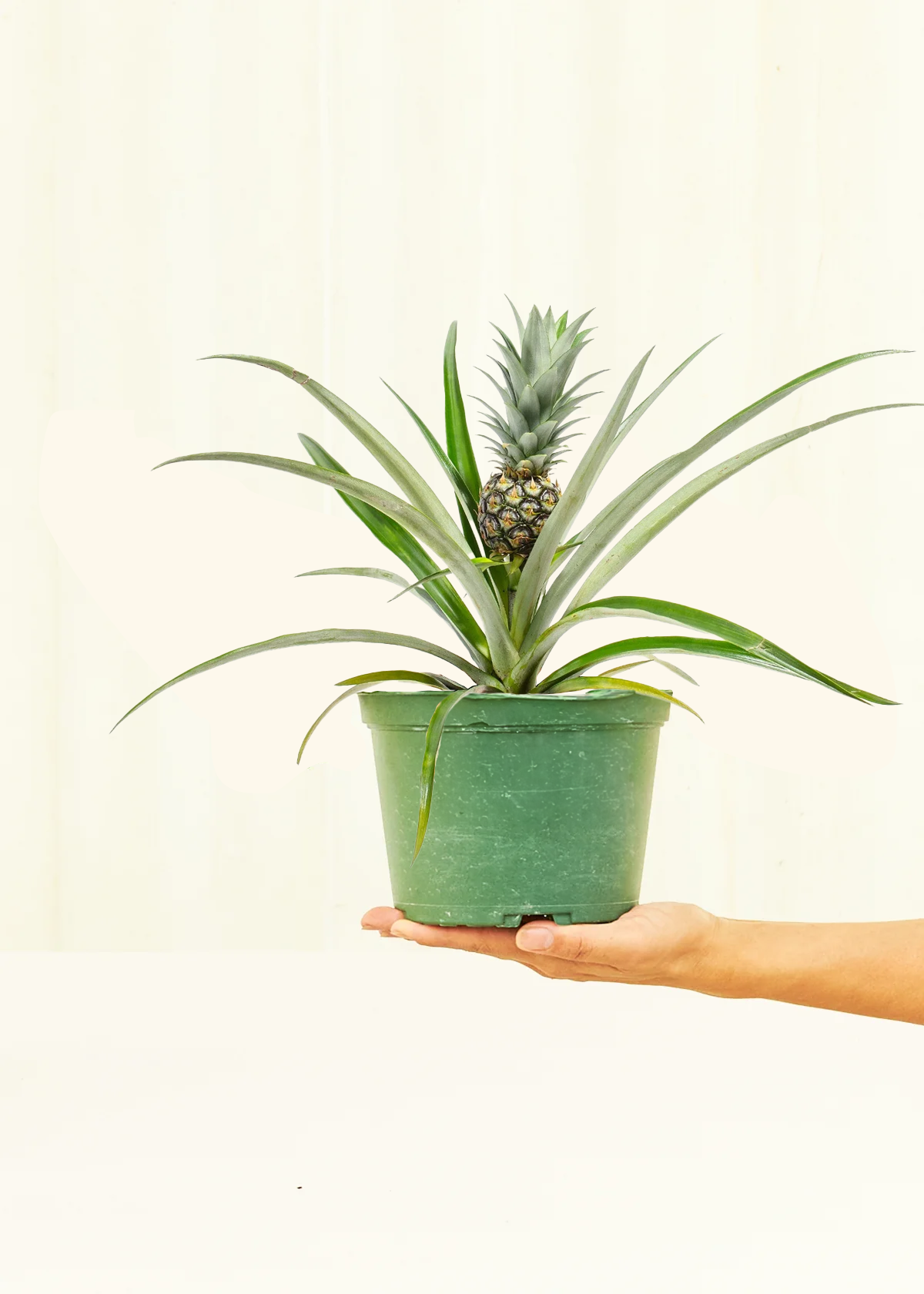

 2" diameter
 4"-7" height