Hoya Hindu Rope Care Guide
About Hoya Hindu Rope
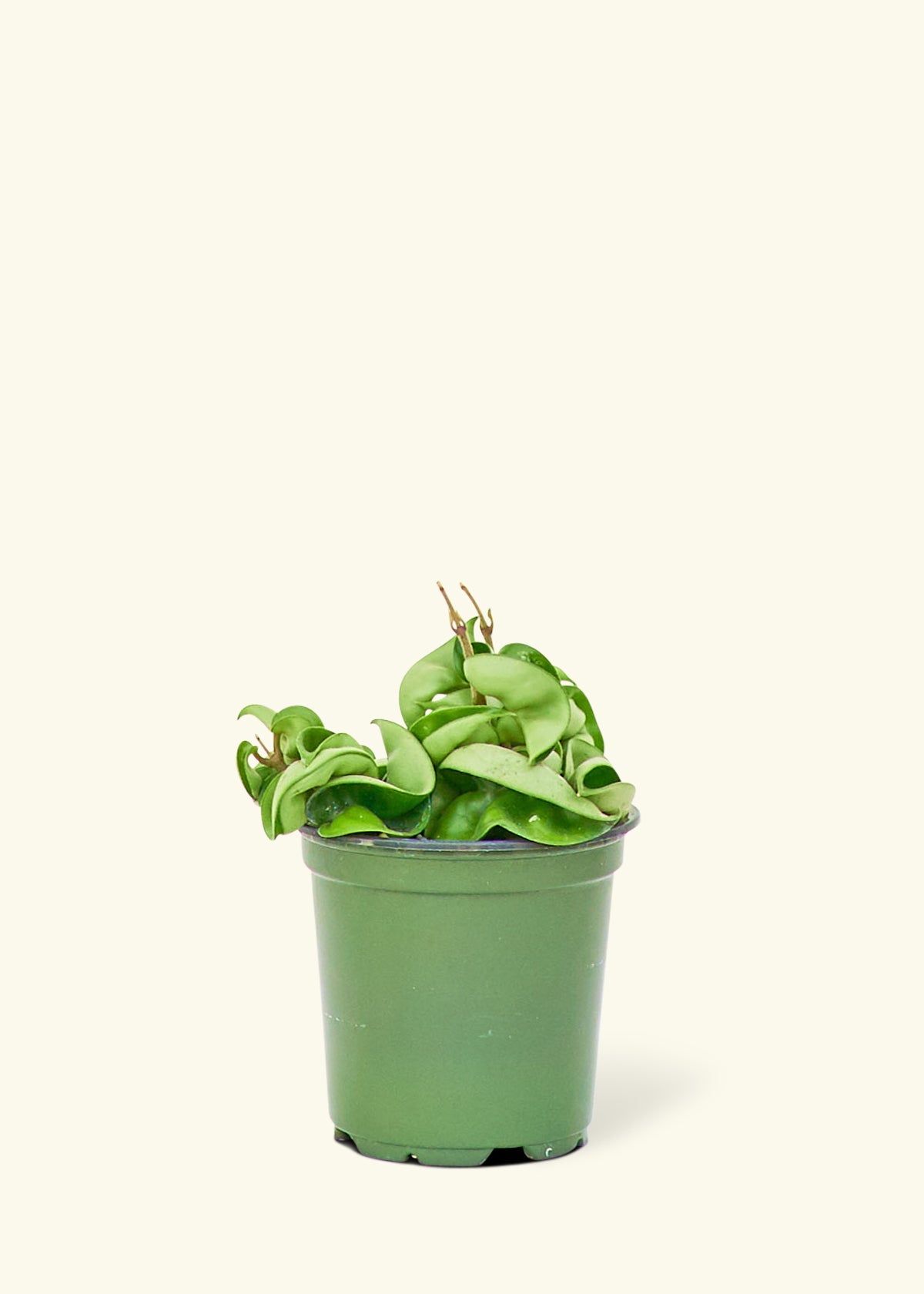
The Hoya Hindu Rope (Hoya carnosa ‘Compacta’) is a slow-growing, trailing houseplant known for its thick, twisted leaves that curl tightly along cascading vines. Often called the Hoya Rope Plant or Rope Hoya, this unique variety is native to Southeast Asia and belongs to the semi-succulent plant group, storing moisture in its fleshy foliage. Outdoors, it grows in USDA hardiness zones 10-12, but it’s most commonly kept as an indoor plant where conditions are easier to control.
Hoya Hindu Rope care is considered low to moderate, making it a good choice for patient plant owners who prefer minimal upkeep. This tropical plant is pet-friendly, which adds to its appeal for homes with cats or dogs. When mature and well-cared for, the Hoya compacta flower produces clusters of fragrant, star-shaped blooms. This beauty symbolizes devotion, longevity, and strong bonds, making it an ideal gift for loved ones.
Hoya Plant: Benefits
- Adds visual interest with sculptural, rope-like vines
- Low water needs compared to many trailing plants
- Pet-friendly and safe for households with animals
- Long-lived plant that improves with age
- Works well in hanging baskets and elevated planters
Hoya Hindu Rope Care: Growing Tips
Hoya Hindu Rope care is fairly easy once the plant is established, but it rewards consistency and patience. Growth is slow, especially in the first year, so steady care matters more than frequent adjustments.
Hoya Rope Plant: Light Requirements & Temperature
- Light: The Hoya Rope Plant thrives in bright, indirect light. A spot near an east- or west-facing window works well, while harsh direct sun can scorch the leaves and deep shade may slow growth and prevent blooming.
- Temperature: Ideal temperatures range between 65 and 80°F. Keep the plant away from cold drafts, air conditioners, and sudden temperature drops, as these can stress the vines.
Hoya Hindu Rope: Watering & Humidity
- Watering: Water thoroughly only when the top half of the soil feels dry. Overwatering is the most common issue and can quickly lead to root rot.
- Humidity: Average household humidity is usually sufficient. Slightly higher humidity can support flowering, but misting is optional rather than required.
Hoya Rope Plant: Soil, Fertilizer, and Repotting
- Soil: Use a well-draining potting mix for succulents or epiphytes. Adding perlite or orchid bark helps improve airflow around the roots.
- Fertilizer: Feed monthly during spring and summer with a balanced, diluted liquid fertilizer to get your Hoya to bloom. Reduce or stop feeding in fall and winter when growth slows.
- Repotting: Repot every 2-3 years when roots become crowded. Hoyas bloom better when slightly root-bound, so avoid oversized pots.
Hoya Hindu Rope: Propagation
Hoya Hindu Rope propagation is best done using stem cuttings. Take a healthy cutting with at least two nodes, remove lower leaves, and place it in water or moist soil. Roots usually develop within a few weeks in warm, bright conditions.
Hoya Rope Plant: Problems and Pruning
Common issues include wrinkled leaves from underwatering, yellowing from excess moisture, and mealybugs hiding in leaf folds. Trim damaged or unhealthy vines with clean scissors to maintain shape and encourage fresh growth.
Hoya Rope: Companion Plants & Placement Options
Hoya Rope Plants pair well with other compact or trailing houseplants and look best when displayed above eye level. Their sculptural vines benefit from space to drape naturally.
Great to Place on
This plant works beautifully on high shelves, plant stands, or in hanging baskets near windows. Elevated placement also improves airflow around the vines.
Hoya Rope Plant Grows Well With
- Pink Polka Dot Plant: The Pink Polka Dot Plant adds bright color contrast against the deep green Hoya foliage.
- Hoya Plants: The Rope Plant groups well with other Hoya varieties that share similar light and watering needs.
- Peperomia Rosso: Peperomia Rosso complements the Rope Hoya with compact growth and textured leaves.
Get Hoya Hindu Rope for Sale From Hey Rooted Today!




 Care level: Pretty chill
 Light: High
 Pet friendly
 Water: Twice a month


