Ficus Microcarpa Care Guide
About Ficus Ginseng
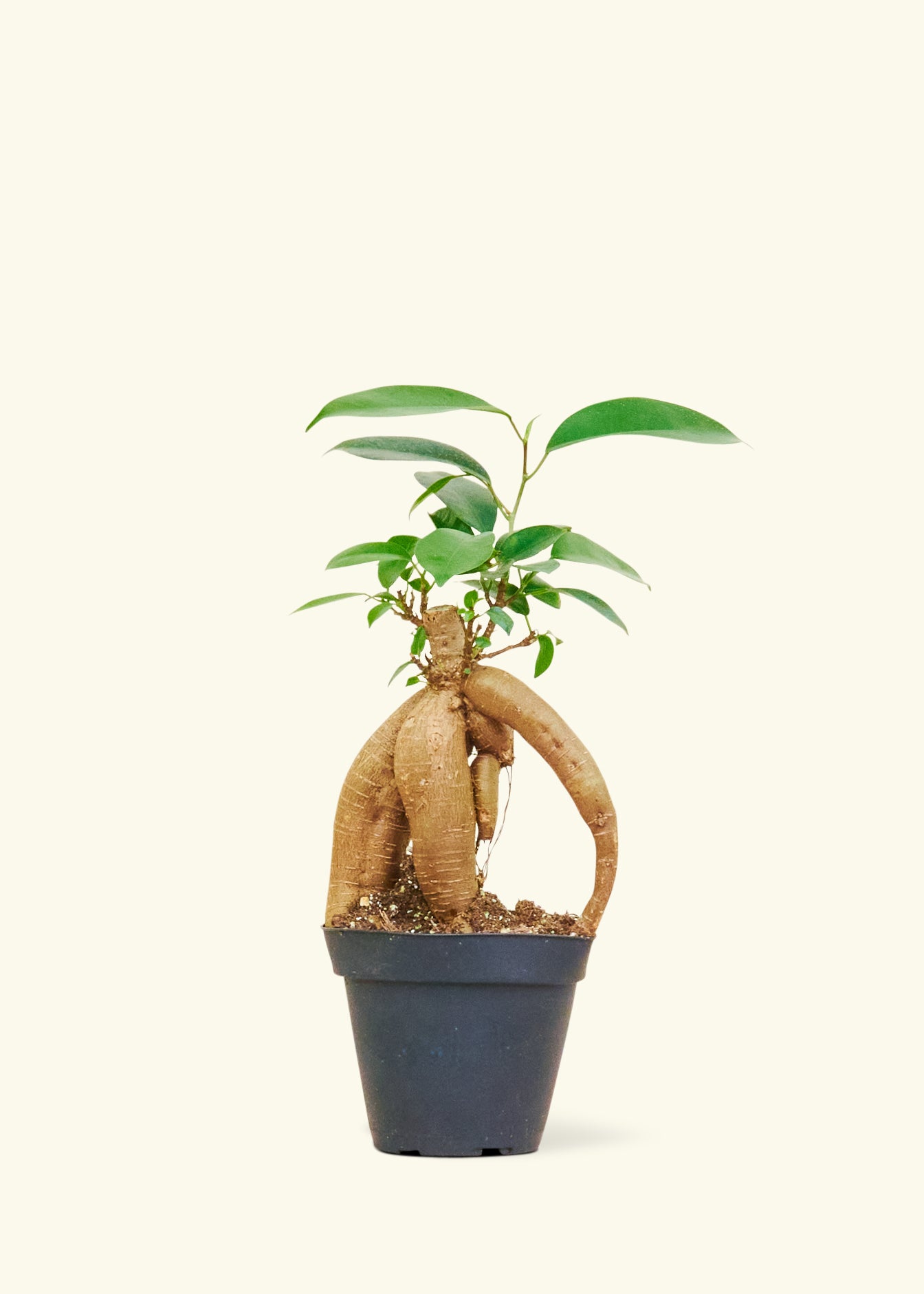
Ficus Ginseng (Ficus microcarpa) is an enigmatic bonsai-like plant with a bulbous trunk and roots. It’s a tropical plant native to the subtropical rainforests of Asia, and it does best in USDA hardiness zones 9-11, where it can grow on the patio. While in its native habitat, Ficus Ginseng is a tall tree, it typically only reaches about 20-36 inches indoors. With proper care, it can live for over 50 years. Ficus Ginseng care is mostly easy, even for beginners. Keep your Ginseng plant out of the reach of curious pets, as it can be toxic when ingested.
A symbol of longevity and resilience, the Ginseng Ficus plant is a popular plant for attracting positive energy to homes and offices in Feng Shui, so it makes a wonderful gift.
Ficus plants make beautiful additions to your indoor garden and come in a variety of leaf patterns and sizes, from the variegated Ficus Tineke to the super popular Fiddle Leaf Fig.
Ficus Microcarpa: Benefits
Ficus Microcarpa Ginseng Care: Growing Tips
If you want to learn how to take care of Ficus Microcarpa Ginseng, we’ve prepared a short guide to the most important things to keep in mind:
Ficus Ginseng: Light Requirements & Temperature
- Light: Bright but indirect light is perfect for your Ficus Microcarpa plant. Protect it from direct sunlight.
- Temperature: Your Ficus Ginseng needs stable temperatures between 60°F and 75°F. Keep it away from cold drafts.
Ginseng Ficus: Watering & Humidity
- Watering: Watering correctly is a vital part of good Ginseng Ficus care. Water thoroughly, and then wait until the topsoil layer feels dry.
- Humidity: High humidity is essential for this tropical gem. Mist it regularly, place it on a pebble tray, or use a humidifier.
Ficus Ginseng Plant: Soil, Fertilizer, and Repotting
- Soil: Combine well-draining soil with perlite or bark to enhance drainage and aeration.
- Fertilizer: Feed your Ginseng bonsai with a balanced liquid or slow-release fertilizer. Dilute it to half strength.
- Repotting: One of the Ficus Ginseng bonsai benefits is that it doesn’t need frequent repotting. Repot once every 2 years, or when rootbound. If you want it to stay compact, prune about one-third of the roots while repotting.
Ficus Ginseng Bonsai: Propagation
Propagate your Ficus Microcarpa bonsai by taking stem cuttings with leaf nodes. Then plant them in moist soil or place them in water until the roots form.
Ginseng Ficus: Problems and Pruning
Pruning is an important part of Ficus Ginseng bonsai care. If you want to keep this plant compact, trim the tips and prune in springtime to keep a neat shape and promote branching.
Ficus Ginseng: Companion Plants & Placement Options
The Ginseng bonsai tree thrives in well-lit spaces, whether grown with other plants or as an eye-catching standalone accent.
Great to Place on
This small plant is perfect for sunny porches in warmer climates or well-lit rooms with plenty of morning sun. It makes a spectacular floor plant. Ficus Ginseng is best suited for homes without pets because of its toxicity. Its compact size makes this plant ideal for small spaces and desks.
Ficus Microcarpa Ginseng Grows Well With
Combine your Ginseng with some of these striking tropical plants to create a relaxing indoor oasis:
- Ficus Audrey: Ficus Audrey (Ficus benghalensis) is a lovely indoor tree with a light trunk and vivid green foliage; it makes a stunning statement plant.
- Money Tree: With its lush foliage and interestingly braided trunk, the Money Tree (Pachira aquatica) is considered one of the best plants for attracting good luck, wealth, and prosperity according to Feng Shui.
- Sansevieria Laurentii: The Snake Plant Laurentii (Sansevieria laurentii) is a resilient succulent plant with a bold yellow band on the edges of its upright, striped leaves.
Shop for Ficus Ginseng at Hey Rooted Now!



 Care level: No sweat
 Light: High
 Not pet friendly
 Water: Once a week