Bird's Nest Fern Care Guide
About Bird's Nest Fern Plant
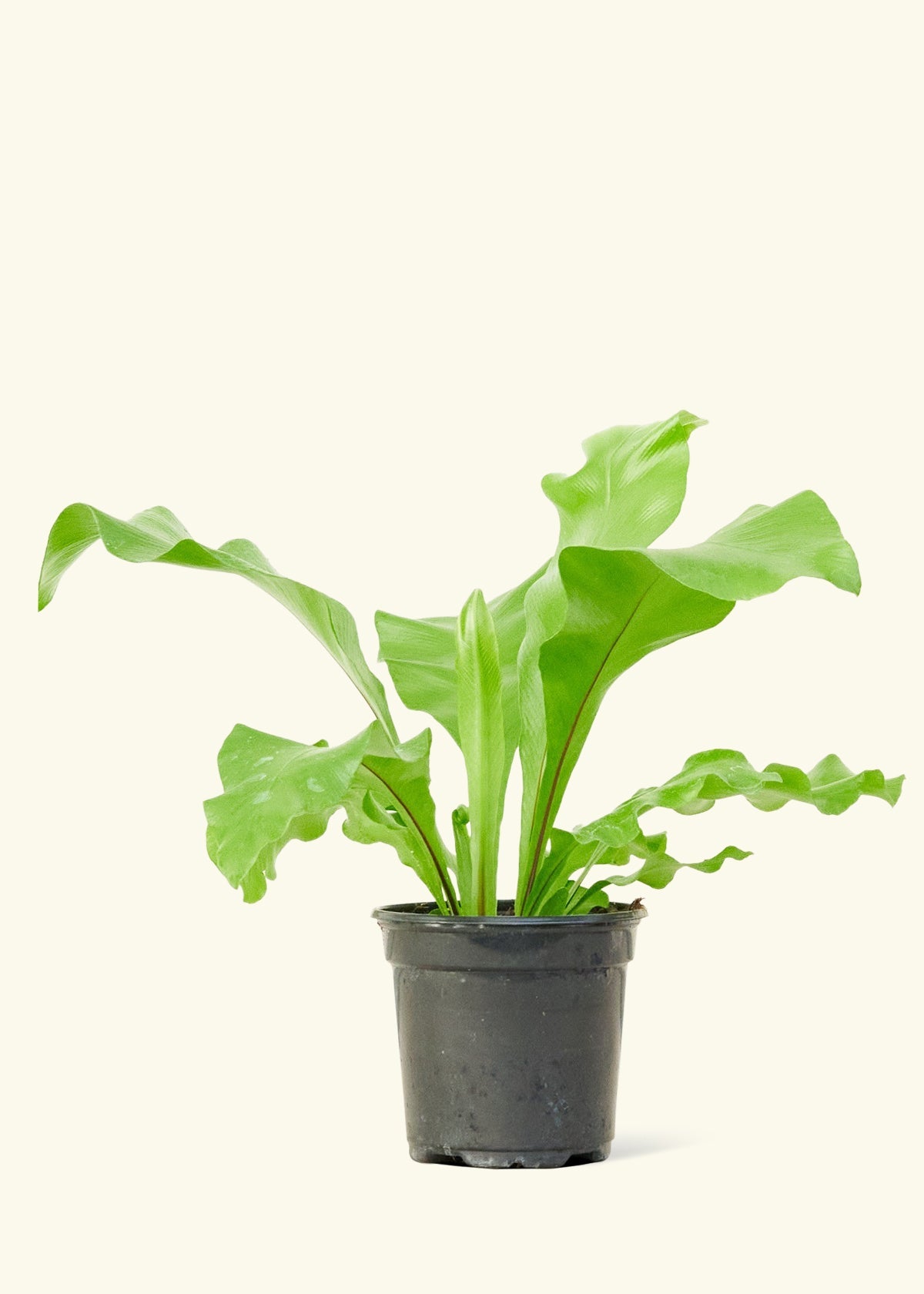
Meet the stunning Bird's Nest Fern (Asplenium nidus) and enjoy its aesthetic appeal in any room! This easy-to-care -for plant features green, wavy foliage that helps clean indoor air. In the wild, the Bird’s Nest Fern grows on other plants, like trees, as it’s an epiphyte, but indoors, it thrives in pots.
The Bird’s Nest Fern is native to the tropical regions of Southeast Asia and Africa and belongs to the Aspleniaceae family. This gorgeous fern grows best in hardiness zones 10-11 in partially shaded spots.
With a lifespan of over 15 years indoors, you can enjoy its beauty and air-purifying benefits for years with the right care. In addition, the Bird’s Nest Fern is pet-friendly, thus safe for your furry companions. The Bird’s Nest Fern symbolizes prosperity, balanced energy, and adaptability.
Bird's Nest Fern Benefits
- Pet-safe houseplant
- Ideal for low-light spaces
- Looks great in hanging baskets
- One of the best office desk plants
- Makes a perfect gift for beginner plant parents
Bird's Nest Fern Care: Growing Tips
The Bird's Nest fern is very easy to care for, as it can tolerate different light conditions. It requires higher humidity to stay lush and vibrant. Here’s how to care for a Bird's Nest fern the right way:
Bird's Nest Fern: Light Requirements & Temperature
- Light: The Bird’s Nest Fern thrives in medium light and can survive in spots with lower lighting. Protect it from direct sunlight to prevent sunburn.
- Temperature: Provide temperatures between 70°F and 80°F for optimal growth. Avoid cold drafts and temperature drops below 65°F.
Bird's Nest Fern: Watering & Humidity
- Watering: Water your fern about once a week. In the hotter months, always check the soil and hydrate your plant promptly to prevent underwatering and brown leaves.
- Humidity: Bird's Nest ferns prefer high humidity (50-80%), making them ideal plants for bathrooms and kitchens.
Bird's Nest Fern: Fertilizer, Soil, and Repotting
- Soil: Use a well-draining, nutrient-rich soil to promote healthy growth. Ensure the pot has enough drainage holes.
- Fertilizer: Fertilize your Bird’s Nest fern at least once a month during the active growing season. Refrain from feeding in the cooler months to give your houseplant some rest.
- Repotting: Repot your Bird's Nest fern in a slightly larger pot when you notice signs of the plant outgrowing its current container (usually once every 2 years).
Bird's Nest Fern: Propagation
You can propagate your Bird's Nest fern via spores (which requires experience). Or you can divide the plant during repotting. Separate it gently, ensuring each section has healthy roots. Multiplying this gorgeous fern is easy and rewarding.
Bird's Nest Fern Plant: Common Problems
Common Bird's Nest fern problems include underwatering and overexposure to sunlight. These can cause brown leaf tips and overall stress. Prune damaged foliage with clean scissors and ensure your Bird's Nest fern care routine is adjusted to this beauty’s growing requirements. Clean regularly the leaves with a damp cloth to remove dust, too.
Bird's Nest Fern: Companion Plants & Placement Options
Display your Bird's Nest fern as a statement plant or group this stunning fern with other tropicals for the ultimate exotic indoor garden look. Moreover, growing it as part of a larger houseplant collection will ensure the humidity around your fern is at the right level.
Great to Place on
This beautiful fern plant brings vibrant greenery and air-filtering benefits to any space. Your Bird's Nest fern will look great on a tabletop, shelf, or bathroom countertop. It will thrive in east- or north-facing rooms, due to the right lighting.
Bird's Nest Fern Plant Grows Well With
- Boston Nest Fern: The Boston Nest Fern features textured, delicate fronds that complement the lush foliage of the Bird’s Nest Fern plant.
- Variegated Peace Lily: With its variegated leaves and snowy white blooms, the Variegated Peace Lily is the ideal companion plant for the Bird's Nest Fern.
- Reverse Spider Plant: The Reverse Spider Plant features gorgeous arching foliage with reverse variegation and has similar growing needs.
Shop for a Bird's Nest Fern for Sale at Hey Rooted Today!




 Care level: No sweat
 Light: Low
 Pet friendly
 Water: Once a week


