Alocasia Polly Care Guide
About Alocasia Polly
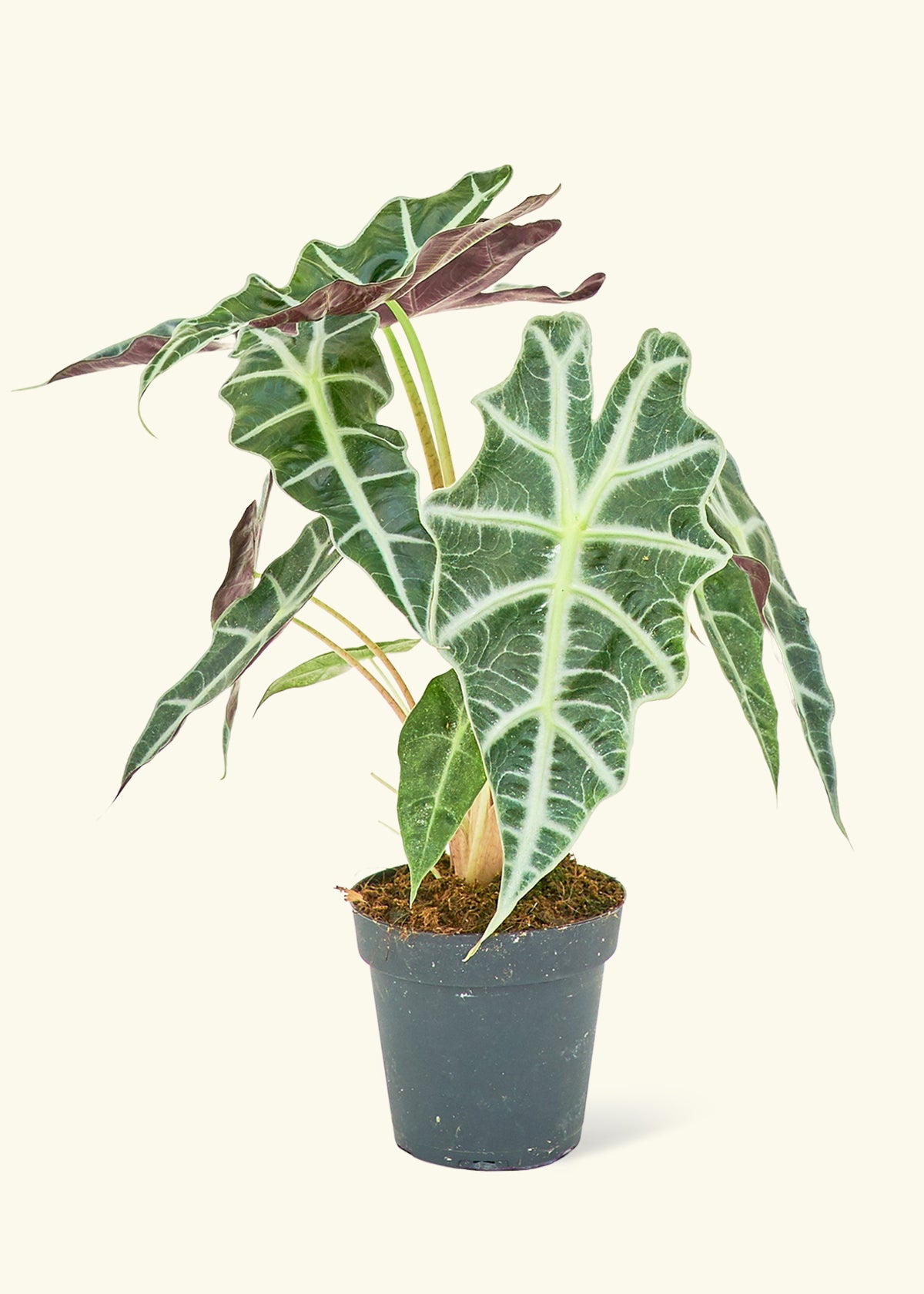
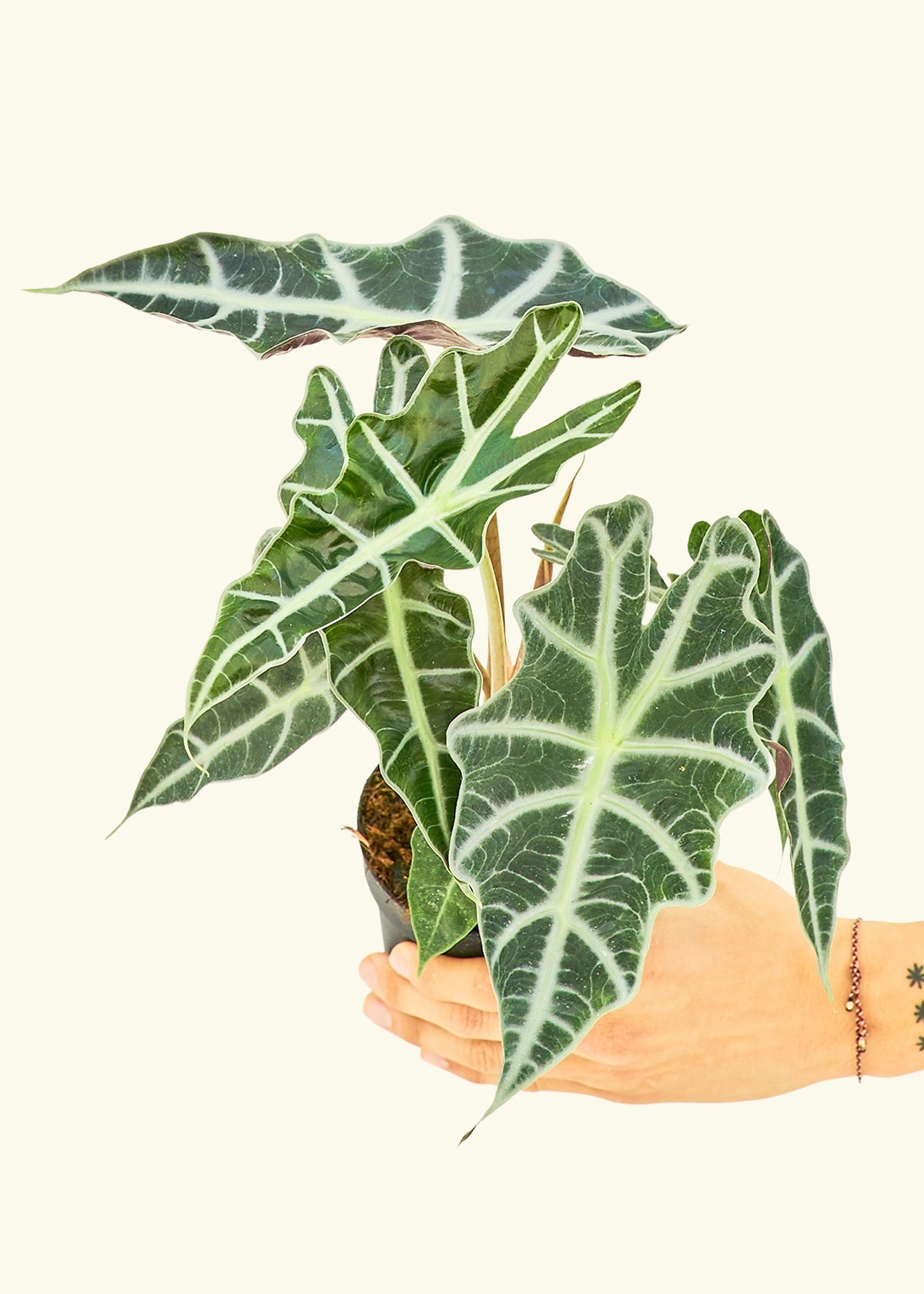
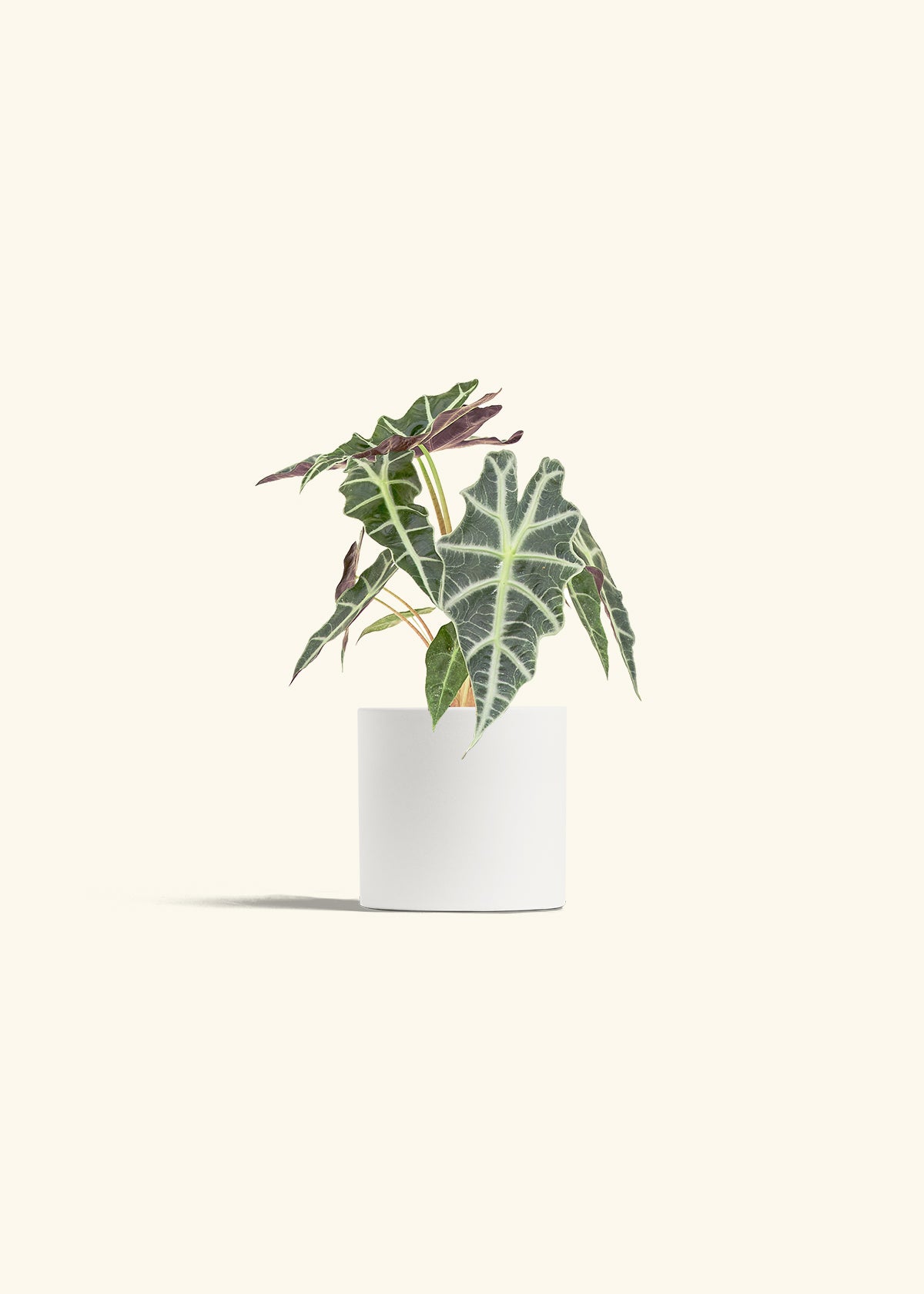
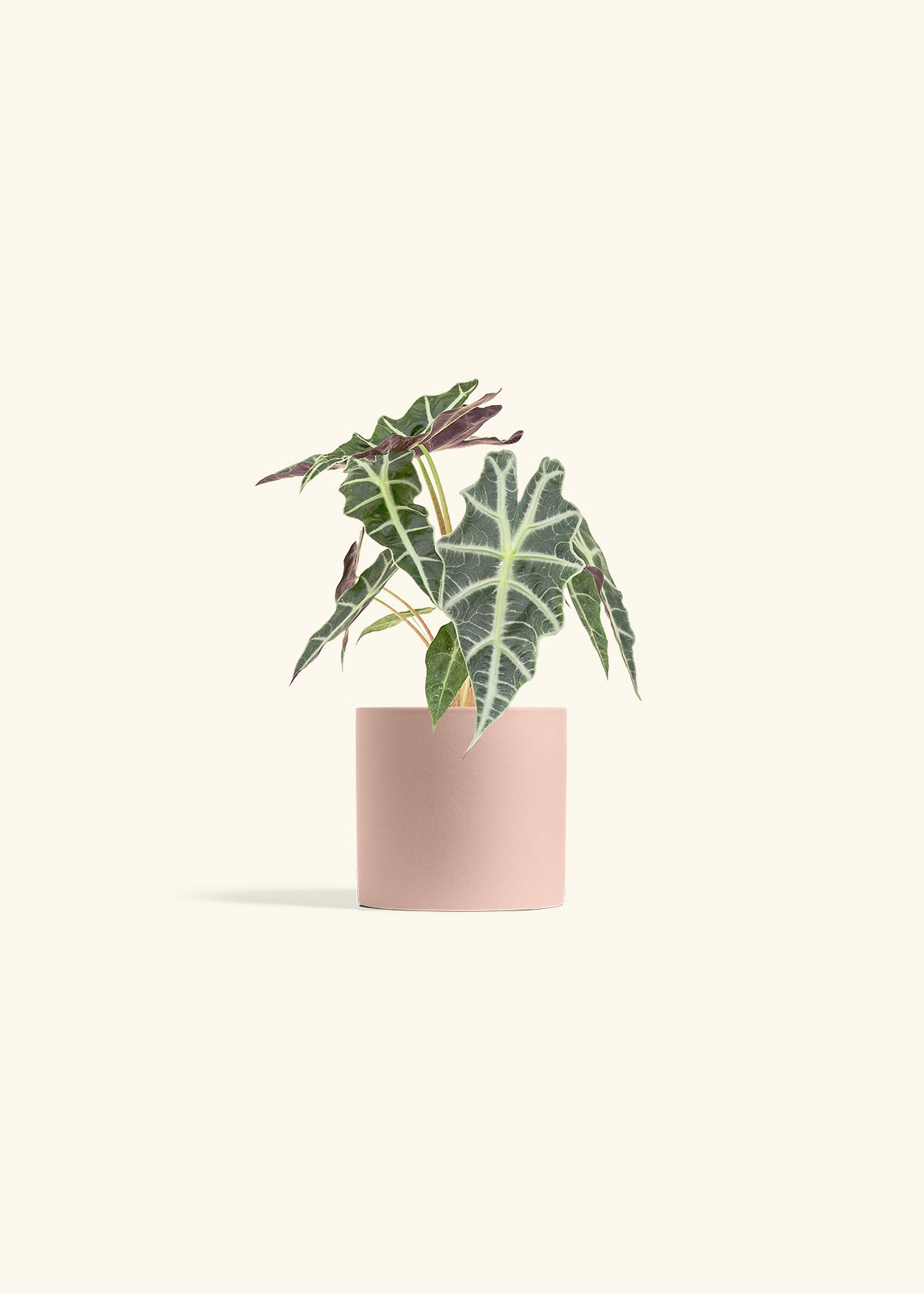
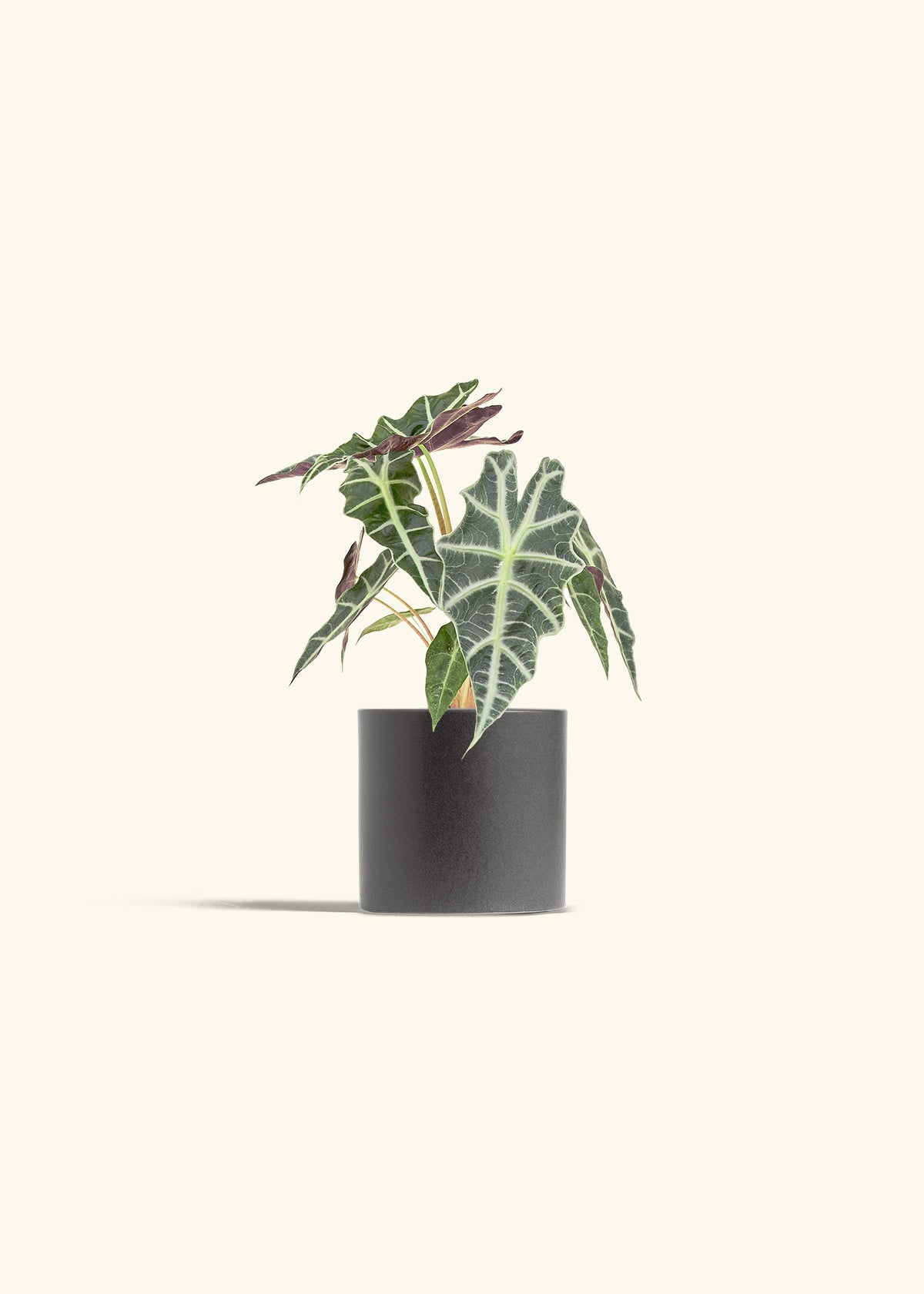
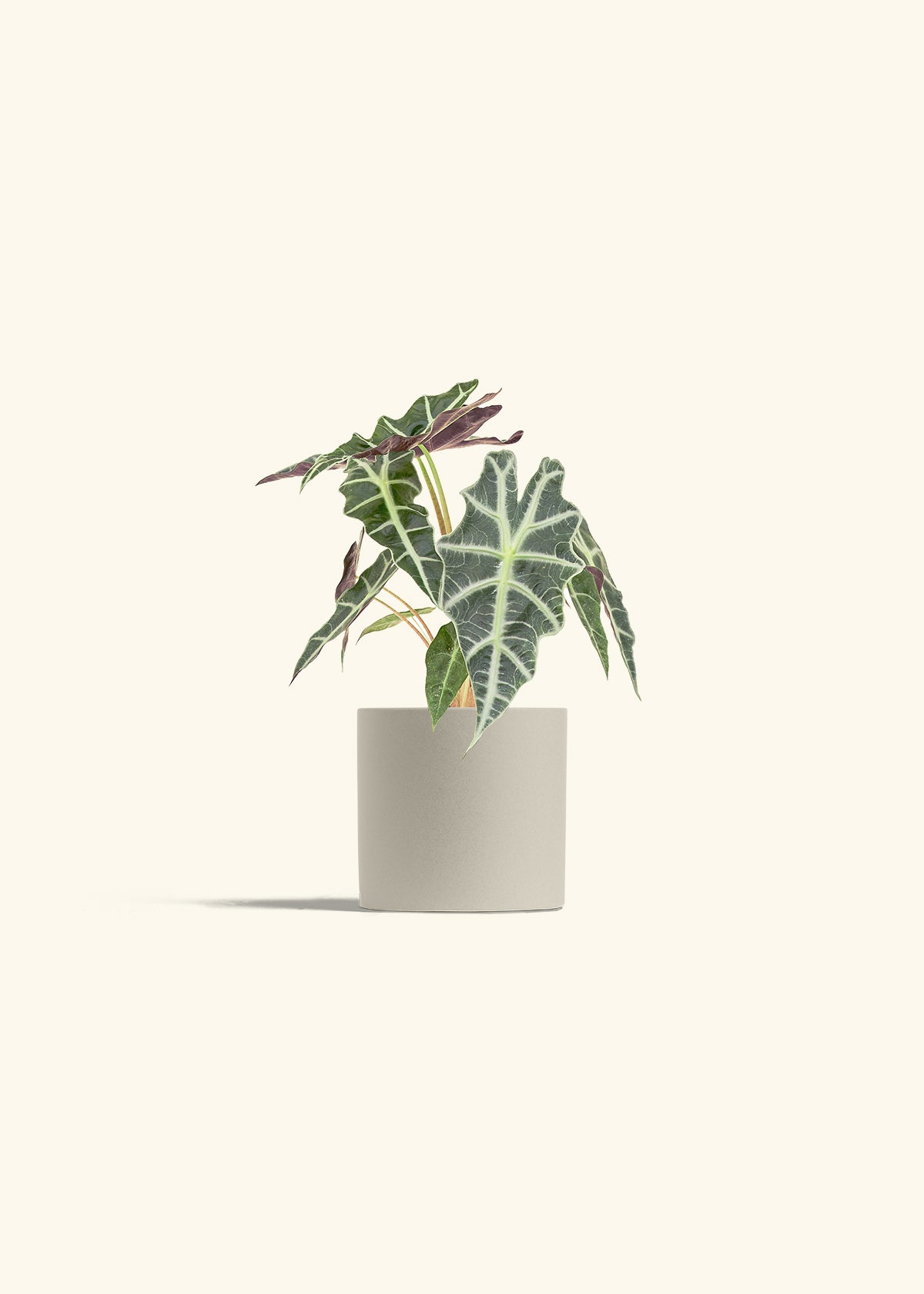
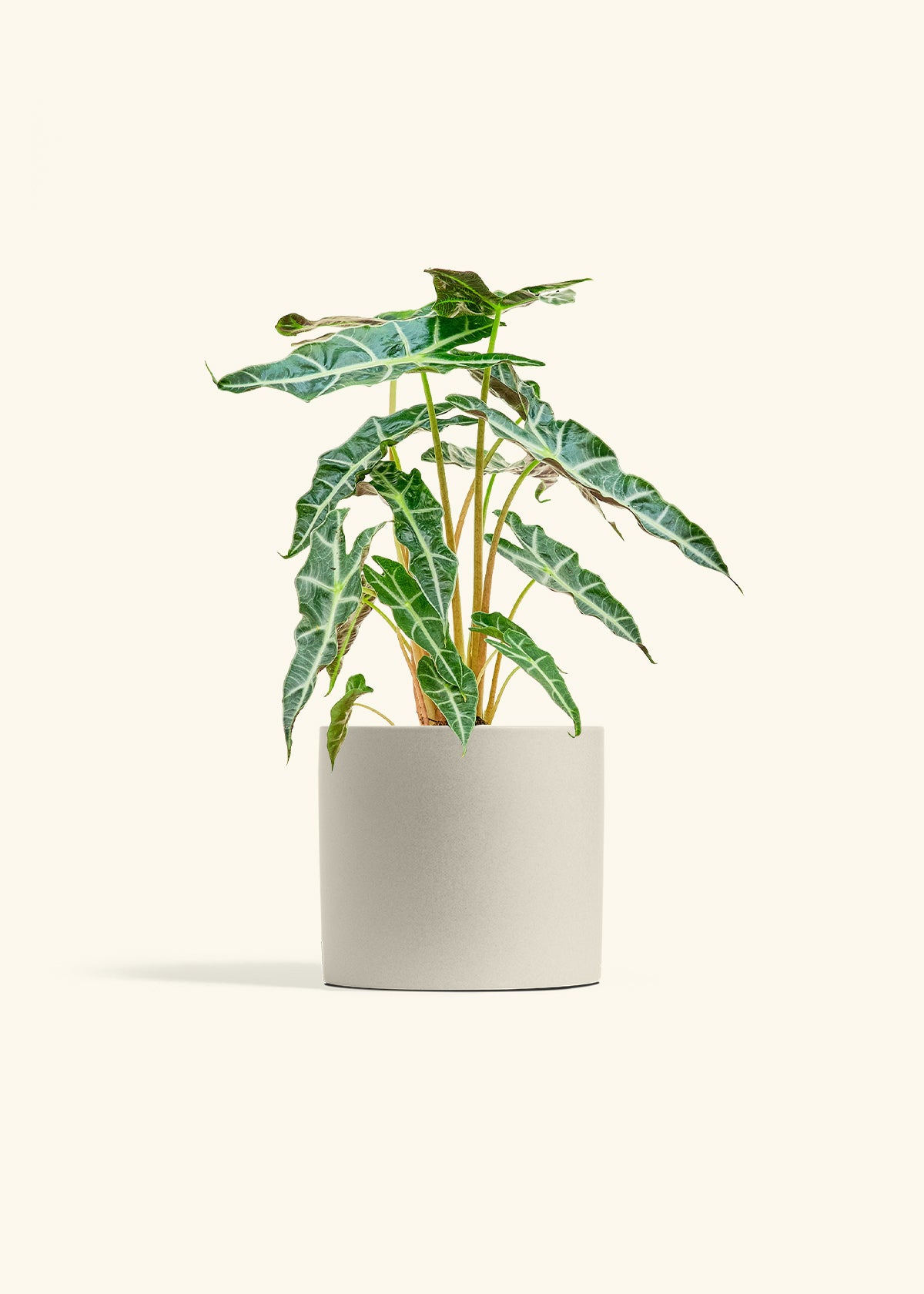
Consider adding the stunning Alocasia Polly (Alocasia amazonica Polly) to your plant collection! This striking tropical houseplant is popular among plant lovers for its dramatic foliage. It has dark green, arrow-shaped leaves with prominent white veins.
Known as the Alocasia elephant ear plant for its large leaves that resemble elephant ears, it belongs to the Araceae family. It thrives in USDA hardiness zones 10–12 outdoors but is commonly grown as a houseplant in cooler regions.
The Alocasia Polly plant prefers warm, humid environments and requires moderate attention. This beauty is not pet-friendly due to its foliage containing calcium oxalate crystals. Symbolically, Alocasia plants are often associated with protection and strength, thanks to their bold, shield-like foliage.
Other gorgeous varieties include Alocasia Black Velvet, Alocasia Frydek, Alocasia Silver Dragon, and many more.
Alocasia Benefits
- Adds exotic vibes to any room
- Compact size compared to larger alocasia elephant ear plant varieties
- It’s a relatively easy-care plant
- Perfect for tabletops and shelves, due to its smaller size
- The perfect gift for friends and loved ones
Alocasia Polly Care: Growing Tips
Proper Alocasia care requires consistency, as this tropical plant prefers stable conditions. Here’s how to care for Alocasia Polly to help you maintain its vibrant foliage.
Alocasia Polly: Light Requirements & Temperature
- Light: Bright, indirect light is ideal for your Alocasia plant; too much direct sunlight may scorch its leaves, while insufficient lighting causes stunted growth.
- Temperature: Alocasia amazonicathrives in temperatures of 65–80°F. Avoid cold drafts and sudden temperature drops, which can stress the plant and cause leaf loss.
Alocasia Polly: Watering & Humidity
- Watering: This stunning houseplant requires balanced watering. Keep the soil evenly moist but never soggy, allowing the top inch to dry slightly between waterings.
- Humidity: High humidity is essential for healthy foliage. Placing your Alocasia Polly plant near a humidifier or on a pebble tray helps mimic its tropical environment.
Alocasia Polly: Soil, Fertilizer, and Repotting
- Soil: Use a well-draining, airy potting mix, rich in organic matter. Proper drainage prevents root rot and leaf issues.
- Fertilizer: Feed monthly during the growing season with a balanced liquid fertilizer diluted to half strength.
- Repotting: Repot every 1–2 years or when roots outgrow the container. You can also refresh the soil to promote healthy growth.
Alocasia Polly: Propagation
Propagate your Alocasia Polly by dividing it in the spring. Ensuring each division is healthy and has strong roots. Then, plant them in individual pots, filled with fresh, moist soil, and place them in a spot with bright, filtered sunlight.
Polly Alocasia: Common Problems
Like many houseplants, your Alocasia Polly can experience yellowing leaves, drooping, or browning edges, usually caused by overexposure to light, an incorrect watering schedule, or low humidity. Trim regularly damaged leaves and clean the foliage with a damp cloth to remove any accumulated dust.
Alocasia Polly: Companion Plants & Placement Options
The bold foliage of the Alocasia amazonica Polly pairs beautifully with other tropical houseplants. Its compact growth makes it versatile for various indoor displays.
Great to Place on
Place this air-purifying beauty on a bright desk, plant stand, or shelf where its striking leaves will stand out. This beautiful Alocasia Elephant Ear plant also makes it a natural focal point in living rooms, bedrooms, or offices.
Alocasia Amasonica Polly Grows Well With
- Alocasia Frydek: With velvety dark leaves and contrasting veins, Alocasia Frydek complements the glossy texture of the Alocasia Polly.
- Peperomia Rosso: The deep burgundy undersides of Peperomia Rosso contrast beautifully with the bold foliage of the Alocasia Polly Elephant Ear plant.
- Calathea Rattlesnake: Known for its patterned leaves and rare beauty, the Calathea Rattlesnake thrives in similar humid conditions as the Alocasia amazonica.
Get Alocasia Polly for Sale at Hey Rooted Today!


 Care level: Pretty chill
 Light: No direct sun
 Not pet friendly
 Water: Once a week
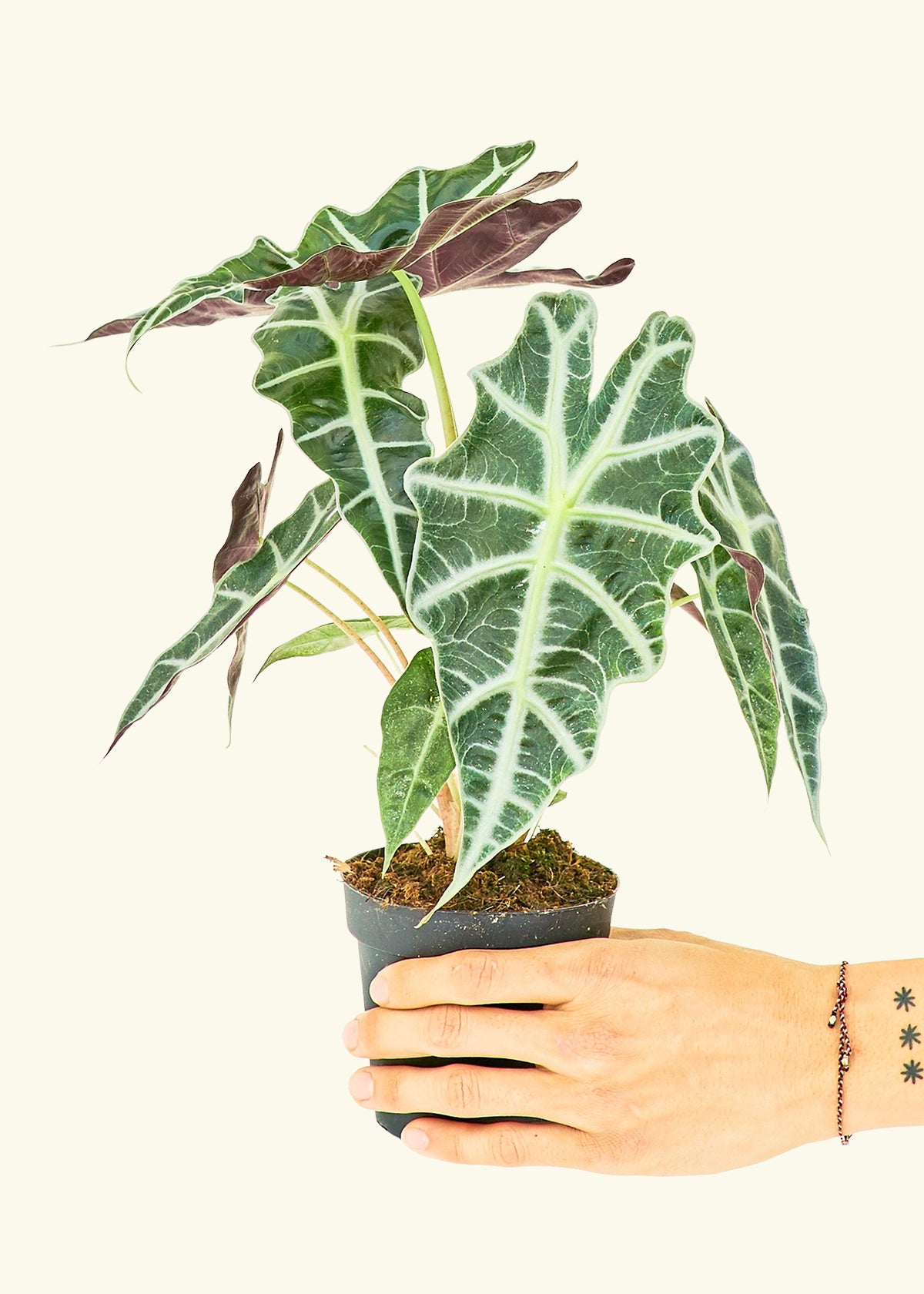



 2" diameter
 4"-7" height